A helium escape valve gets called a "third crown" a lot, but that's usually wrong. Most dive watches that have one don't have any extra crown at all. The valve sits flush in the case and opens on its own. Only a handful of watches, Omega's Seamaster line among them, actually use a second crown to operate it manually.
AI disclosure: the watch images in this article were generated with AI tools, grounded on real reference photography of these references, to illustrate the mechanisms described in the reporting below. All technical claims are sourced from brand documentation and watch-industry reporting, not invented.
The short answer: a helium escape valve releases helium gas that has built up inside a watch case during saturation diving, preventing the crystal from popping off during decompression. Rolex and most other brands use an automatic valve with no extra crown, spring-loaded to open on its own. Omega uses a manual valve operated by a small second crown at 10 o'clock, which has to be unscrewed before a dive and screwed back down after.
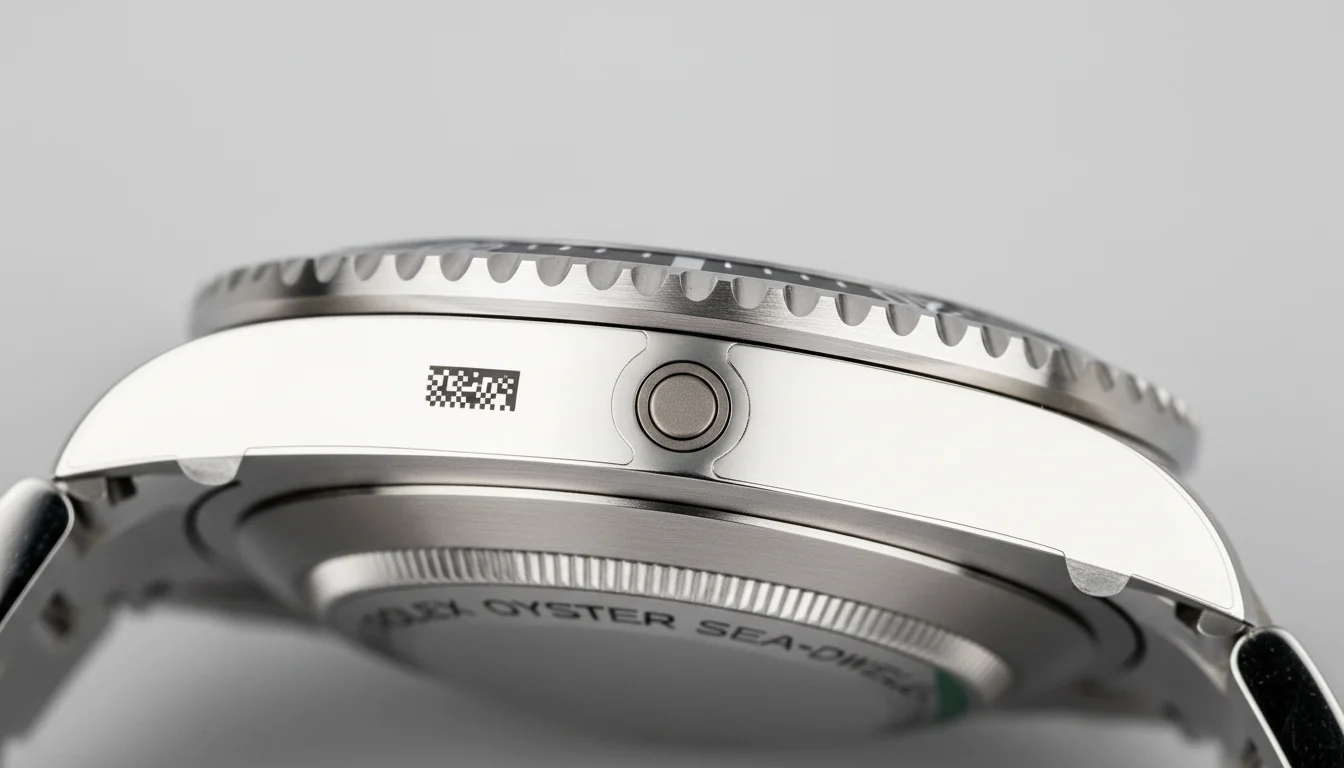
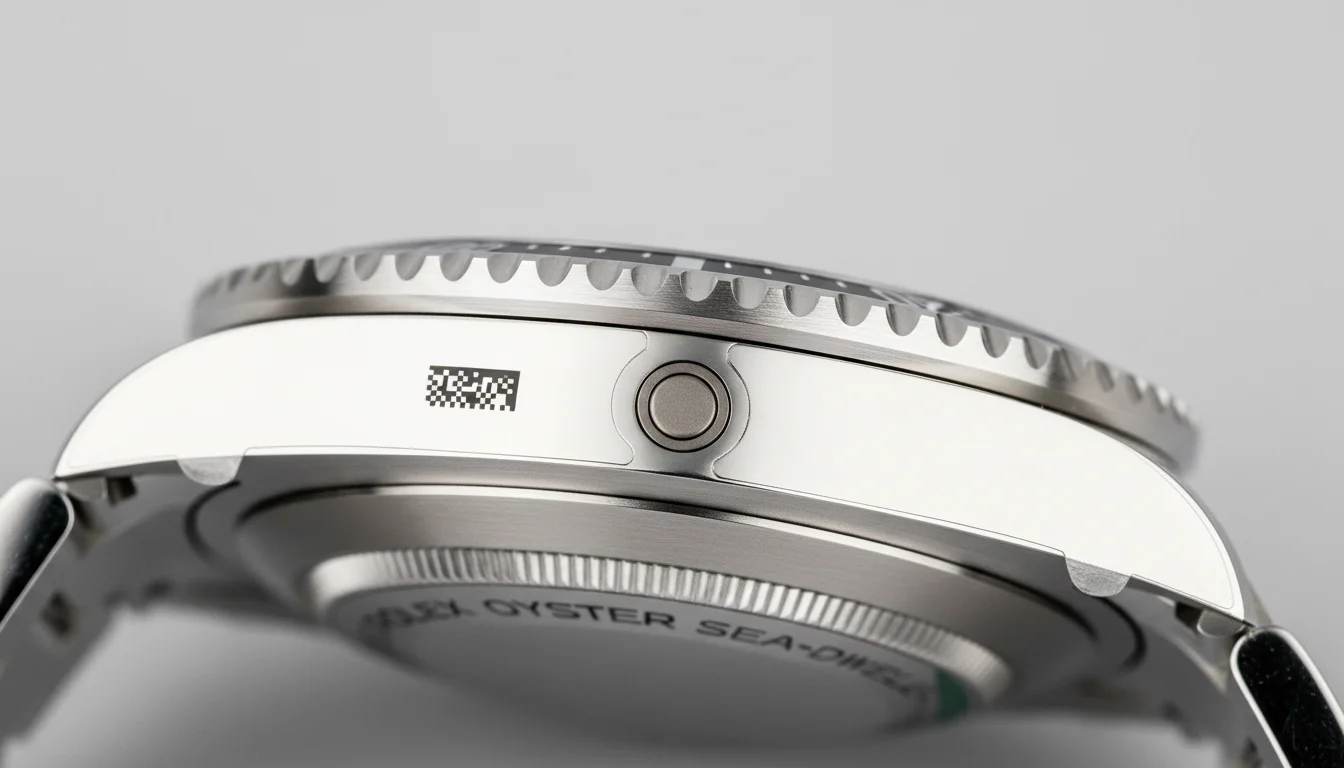 The Sea-Dweller's automatic helium escape valve sits flush in the case at 9 o'clock. No crown, no manual step.
Why a Dive Watch Would Need to Vent Gas At All
Commercial divers working at extreme depth live inside pressurized chambers for days or weeks at a time, breathing a helium-oxygen mix instead of regular air. That's saturation diving. Helium molecules are small enough to seep through a watch's gaskets and into the case over those long stretches, something oxygen and nitrogen molecules mostly can't do.
The Actual Failure Mode
The problem shows up during decompression, not during the dive itself. As the chamber pressure drops back toward normal, the helium trapped inside the watch case wants to expand faster than it can leak back out through the same tiny gaps it came in through. Enough pressure differential and the crystal can pop clean off the case. Rolex ran into this exact failure in the field in the 1960s while working with French diving company COMEX.
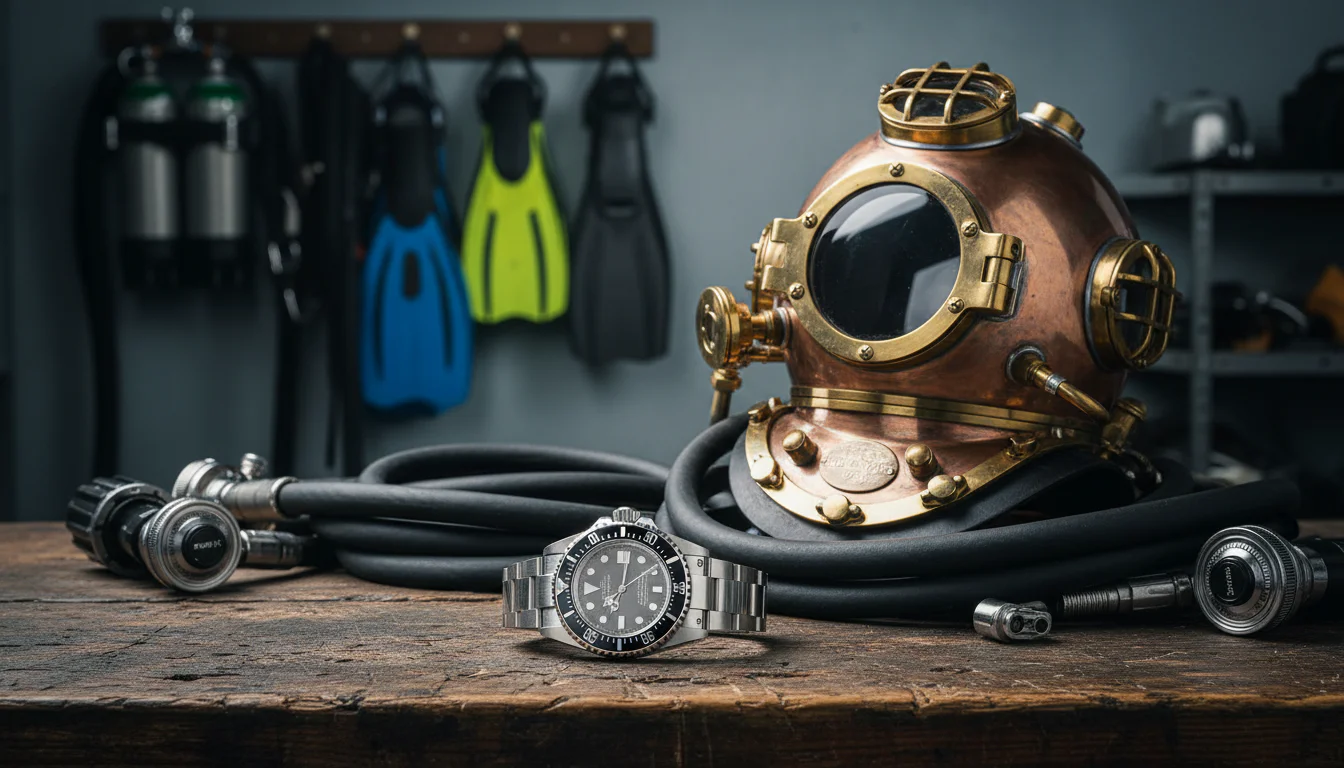 The valve only matters for saturation divers spending extended time in pressurized helium-oxygen environments. Recreational divers will never trigger it.
Automatic vs Manual: Two Different Solutions
Once brands identified the problem, they split into two camps on how to solve it.
The Automatic Valve: No Crown at All
Rolex's solution, introduced on the original Sea-Dweller in 1967, is a spring-loaded one-way valve built into the case. When internal pressure builds high enough to compress the spring, the valve pops open just long enough to purge the gas, then shuts itself. The wearer never touches it. It requires no extra crown and no action before or after a dive, which is why divers who actually needed it stopped thinking about it at all.
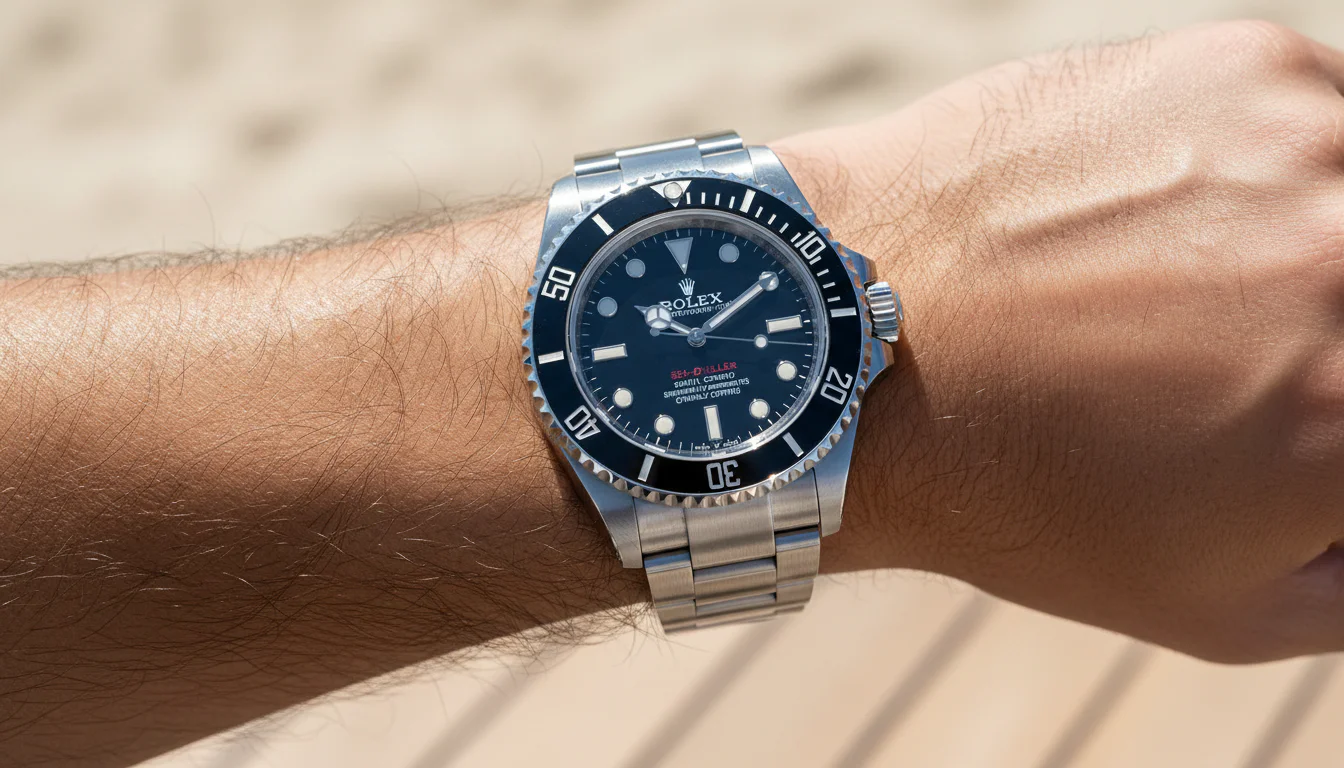 The Sea-Dweller helped establish the automatic valve as the standard approach most other brands eventually followed.
The Manual Valve: Omega's Second Crown
Omega took a different path with the Seamaster Diver 300M and Planet Ocean lines: a genuine second crown, mounted at 10 o'clock, separate from the main winding and time-setting crown at 3 o'clock. This one actually is a second crown, correctly described. A diver has to manually unscrew it before entering a saturation chamber and screw it back down afterward. It stays open for the full decompression cycle rather than popping open and shut on its own.
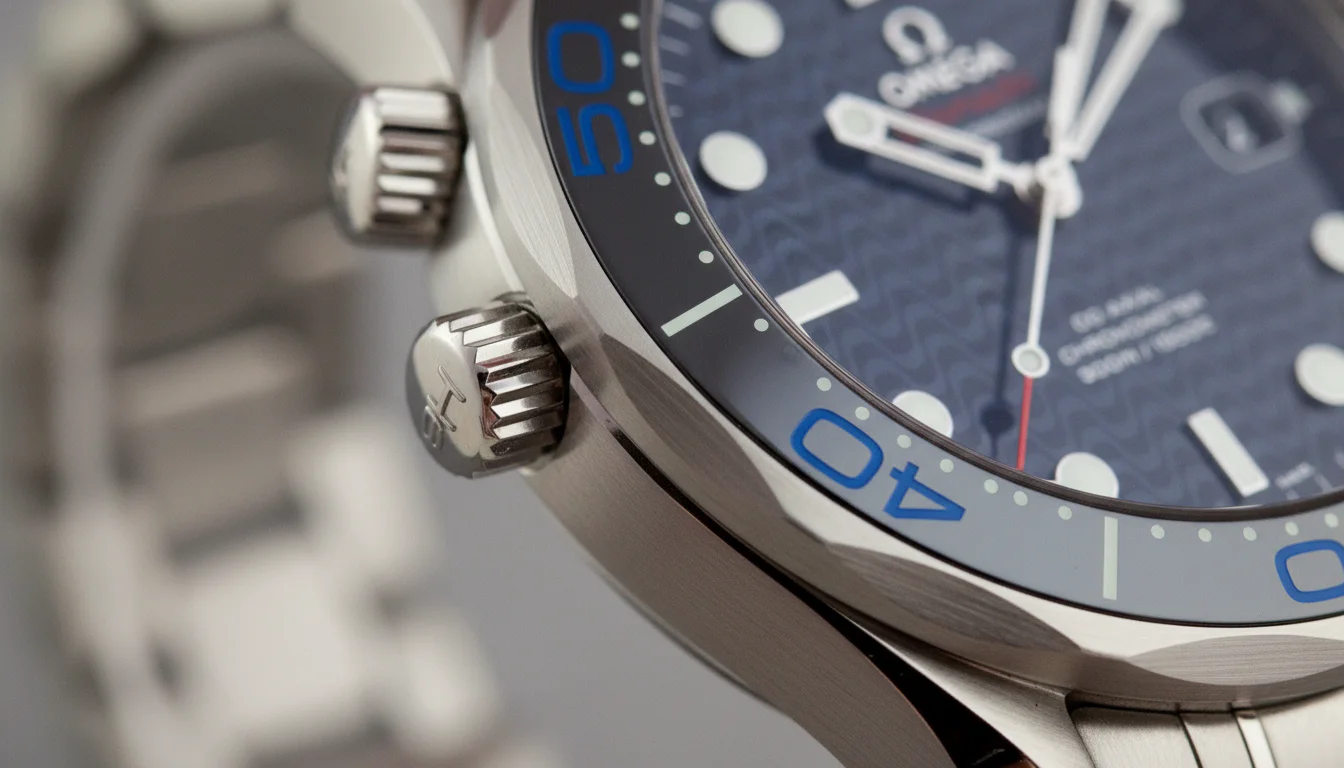 Omega's manual valve crown, engraved with a small "He," sits above and separate from the main crown.
Which One Is Actually Better
Neither approach is wrong, but they trade off differently. The automatic valve needs zero wearer input and has one fewer point of entry for water if something is neglected, which is why most brands that added a helium valve after Rolex copied the automatic layout instead of Omega's. The manual crown appeals to some collectors for the mechanical satisfaction of it, and Omega's engineering has proven just as reliable in practice. Both solve the same problem correctly.
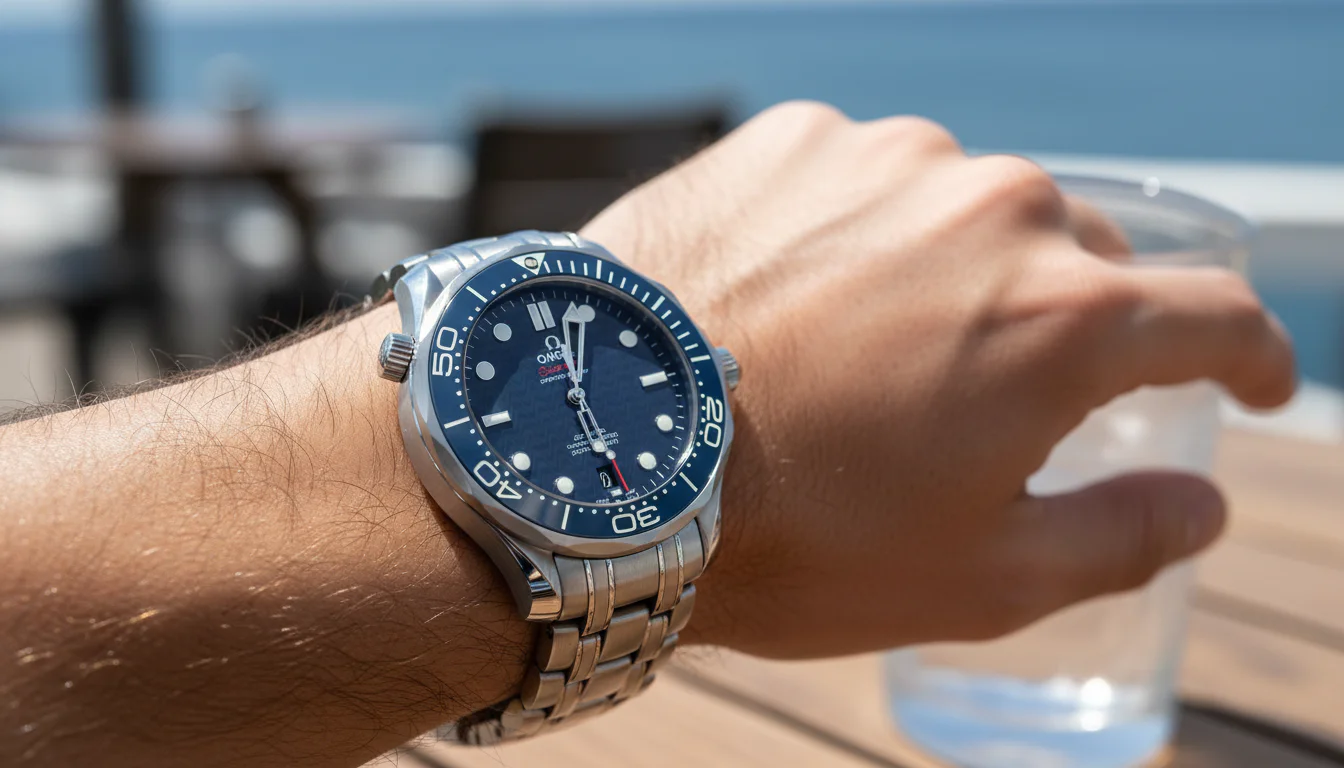 On the wrist, the extra crown is a visible reminder that Omega solved this problem with a manual step rather than an automatic one.
Do You Actually Need One
For nearly every buyer reading this, no. Saturation diving is a narrow commercial and military niche. A helium escape valve does nothing for recreational scuba, snorkeling, or daily wear, and it adds one more gasketed opening in the case that has to be maintained correctly during a service. If you're not spending days at a time in a pressurized helium chamber, the valve is a design detail worth understanding, not a feature worth chasing.
FAQ
Is a helium escape valve a third crown?
No, in most cases. Automatic valves like the Rolex Sea-Dweller's have no crown at all, just a small spring-loaded port in the case. Omega's manual valve is a genuine second crown, since the watch already has a primary crown for winding and setting time.
What happens if a dive watch doesn't have a helium escape valve?
For recreational and most professional diving, nothing. The valve only matters during saturation diving, where helium builds up inside the case over days. Without a valve in that specific scenario, trapped gas expanding during decompression can pop the crystal off the case.
Which Rolex watches have a helium escape valve?
The Sea-Dweller and Deepsea both carry Rolex's automatic helium escape valve. The Submariner does not.
Does the Omega Seamaster's second crown need to be operated for regular diving?
No. It only needs to be unscrewed before and screwed back down after a saturation diving decompression cycle. For recreational diving it stays closed and untouched.
When was the helium escape valve invented?
Rolex developed the automatic version in the 1960s working with the French diving company COMEX, introducing it on the original Sea-Dweller reference 1665 in 1967.