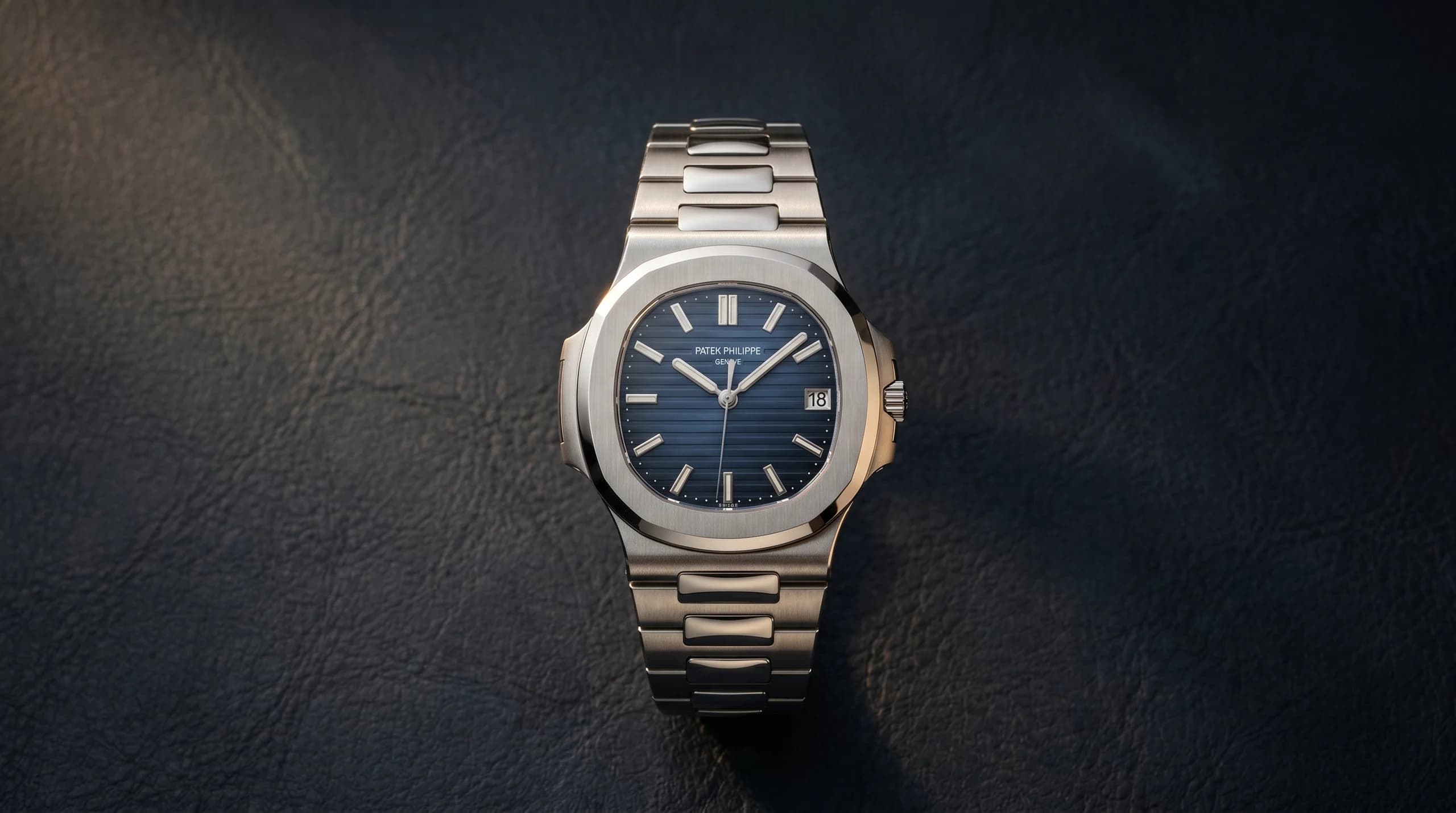
The Patek Philippe Nautilus turns 50 this year, and the temptation is to tell it as a victory lap. The better story is the first twenty years, when almost nobody wanted it.
The images in this post are AI-generated illustrations for editorial purposes and may not exactly represent specific watches.
The short version
The Nautilus launched in 1976 and became, eventually, the most coveted luxury sports watch on earth. For its 50th anniversary in 2026, Patek's answer was deliberately restrained: four limited editions in white gold and platinum, with no steel and no complications, sold by allocation to the people Patek chooses. That choice tells you almost everything about how this watch, and this family-owned company, actually works.
A watch nobody wanted
The origin is now watch-world folklore, and most of it is true.
In 1976 Patek Philippe was known for slim gold dress watches and elaborate complications, not steel sports watches. The designer Gérald Genta, fresh off the Audemars Piguet Royal Oak of 1972, reportedly sketched the Nautilus in about five minutes at a Basel hotel restaurant, taking a ship's porthole as his starting point. The first reference, the 3700/1A "Jumbo," arrived at 42mm in steel, priced like a gold watch, and the market did not get it. As Collectability documents, retailers and press barely acknowledged it, and the watch sat in showcases for years before demand caught up.
It took the better part of two decades for the Nautilus to find its audience, and longer still to become the phenomenon it is now. Patience, it turns out, was the whole business model.
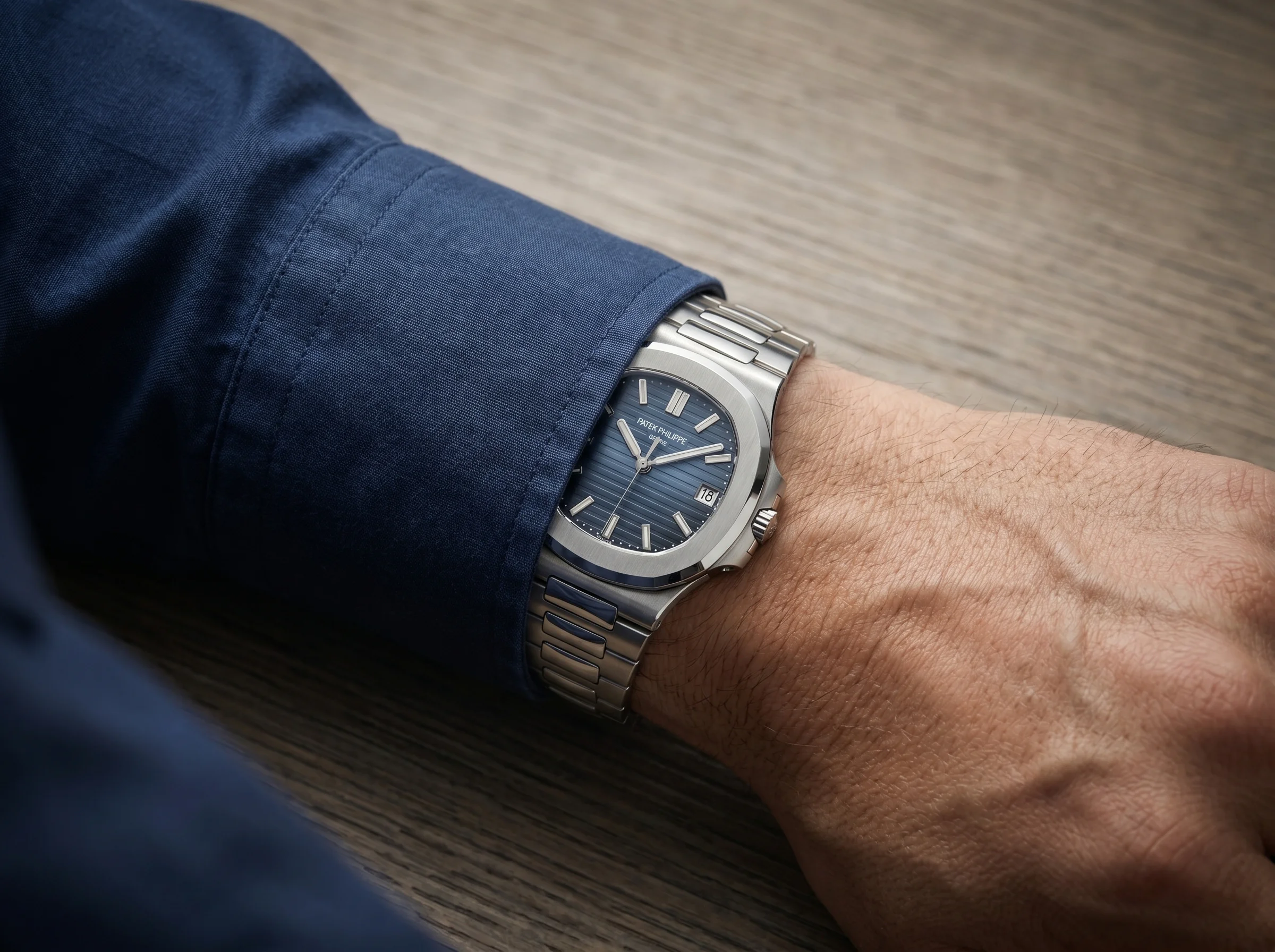 Ignored in 1976, slipping under cuffs the world over by the 2010s. (AI-generated illustration.)
The Stern family's long game
You cannot separate the Nautilus from the family that bet on it.
The Stern family has owned Patek Philippe since 1932, which makes it the last major Geneva house still in independent family hands. The decision to back a radical steel sports watch fell to Philippe Stern, who insisted the Nautilus be mechanical and was convinced it was more than a passing trend. Stern, who died in 2026, spent decades turning Patek into the benchmark for classical watchmaking, and his son Thierry Stern now runs the company and signs off on every Nautilus decision.
That continuity is not sentimental trivia. Family control is exactly what lets Patek throttle supply, discontinue a best-seller at its peak, and treat scarcity as a feature rather than a problem.
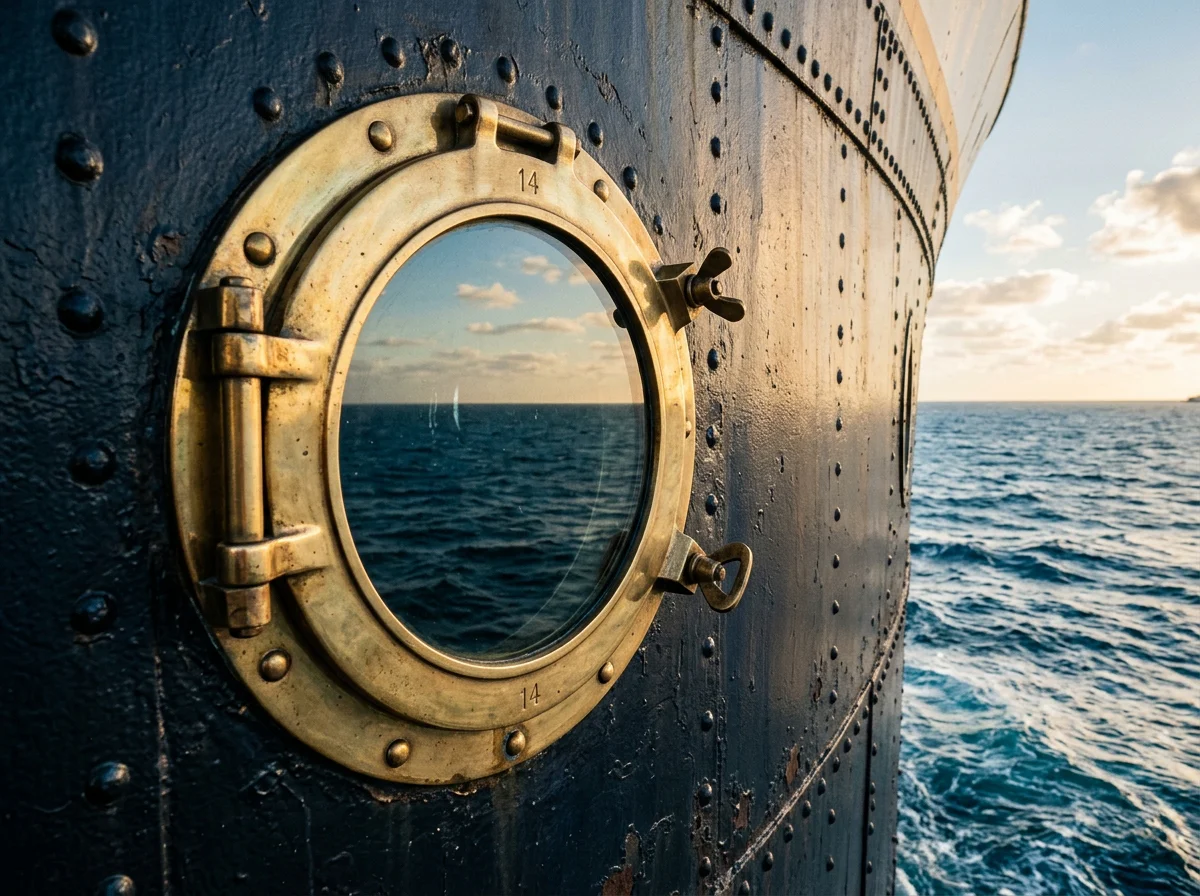 Genta's starting point: a ship's porthole, complete with hinged ears. (AI-generated illustration.)
How Patek marked 50
The anniversary releases were a master class in saying no.
At Watches and Wonders 2026, Patek revealed four limited-edition Nautilus models, all in white gold or platinum, with no steel and no added complications. Two returned the watch to its original 41mm "Jumbo" proportions, powered by the ultra-thin Caliber 240, with a mini-rotor engraved "50 1976-2026" and a cork presentation box echoing the original 3700.
| Anniversary piece | Detail |
|---|---|
| Ref. 5810/1G-001 | White gold, integrated bracelet, limited to 2,000 |
| Ref. 5810G-001 | White gold, navy composite strap, limited to 1,000 |
| Ref. 5610/1P-001 | Platinum |
| 8-Day limited edition | Platinum, engraved caseback, limited to 100 |
Notably, there is no steel anywhere in the lineup. The Patek Philippe Museum in Geneva also opened a Nautilus 50th-anniversary exhibition running into 2027. The message to anyone hoping for an accessible steel Nautilus was polite and final.
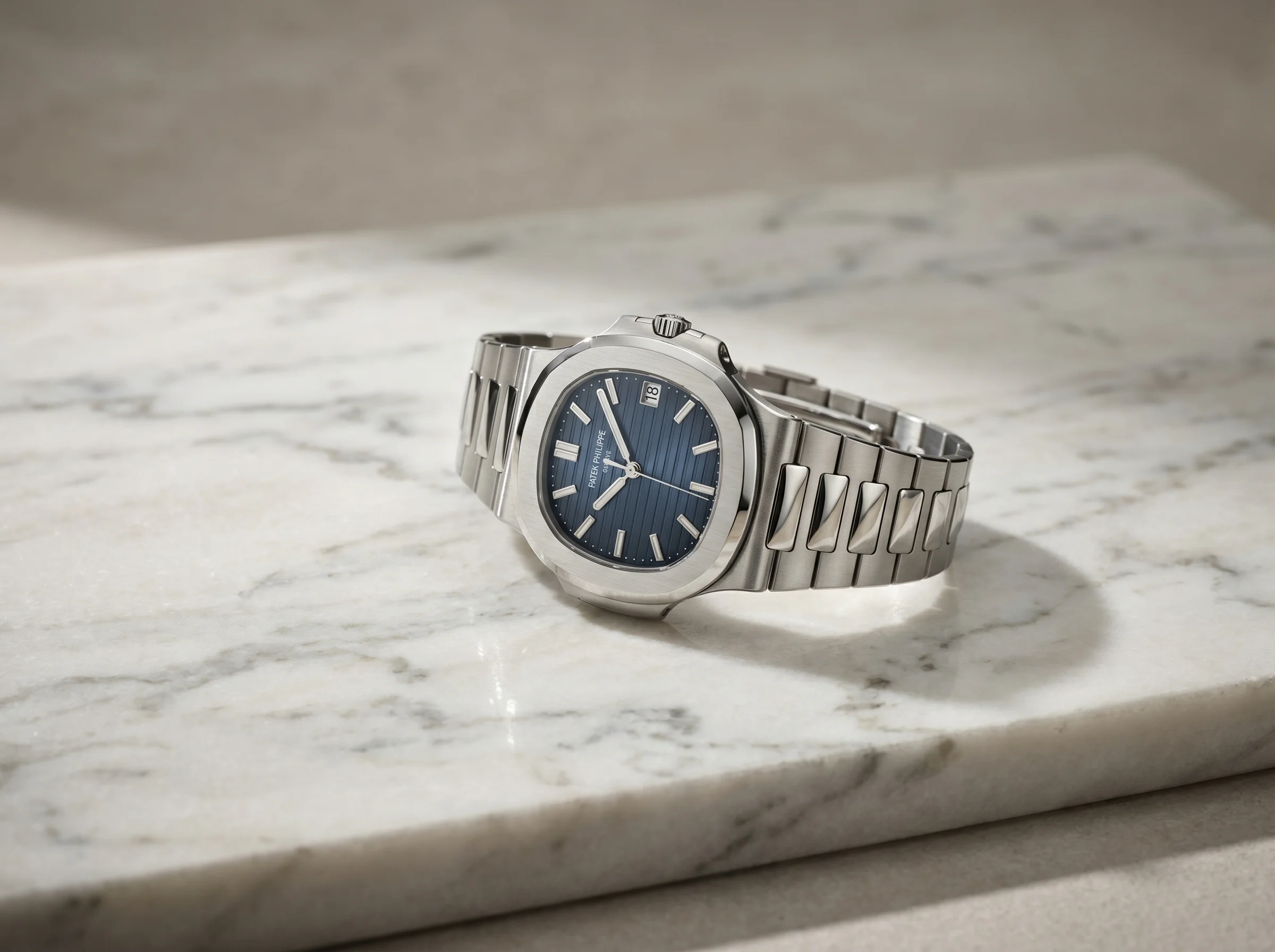 Fifty years on, the anniversary watches are precious metal only. No steel. (AI-generated illustration.)
A working dealer's read
We stock Patek, so here is the honest version.
The discontinued steel 5711 is the watch most people actually mean when they say Nautilus, and it remains a six-figure proposition on the secondary market. Prices came well off the frenzied 2021 to 2022 peak, but they never came back to earth, and the design's status is now permanent. The anniversary pieces, meanwhile, are halo watches sold by allocation, which means almost no one reading this will be offered one at retail.
So the practical read is simple. If you want a Nautilus to wear and hold, you are shopping the pre-owned market for a discontinued reference at a serious price, and condition and papers matter enormously at this level. If you want the anniversary editions, the path runs through a relationship with Patek, not a checkout page. Either way, the Nautilus at 50 is the clearest proof in watchmaking that controlled scarcity, run patiently by one family, beats chasing demand. When you are ready to buy the real thing, our pre-owned Patek Philippe selection is the place to start, and for the other side of the Genta story, the Audemars Piguet Royal Oak he designed first is worth a look.
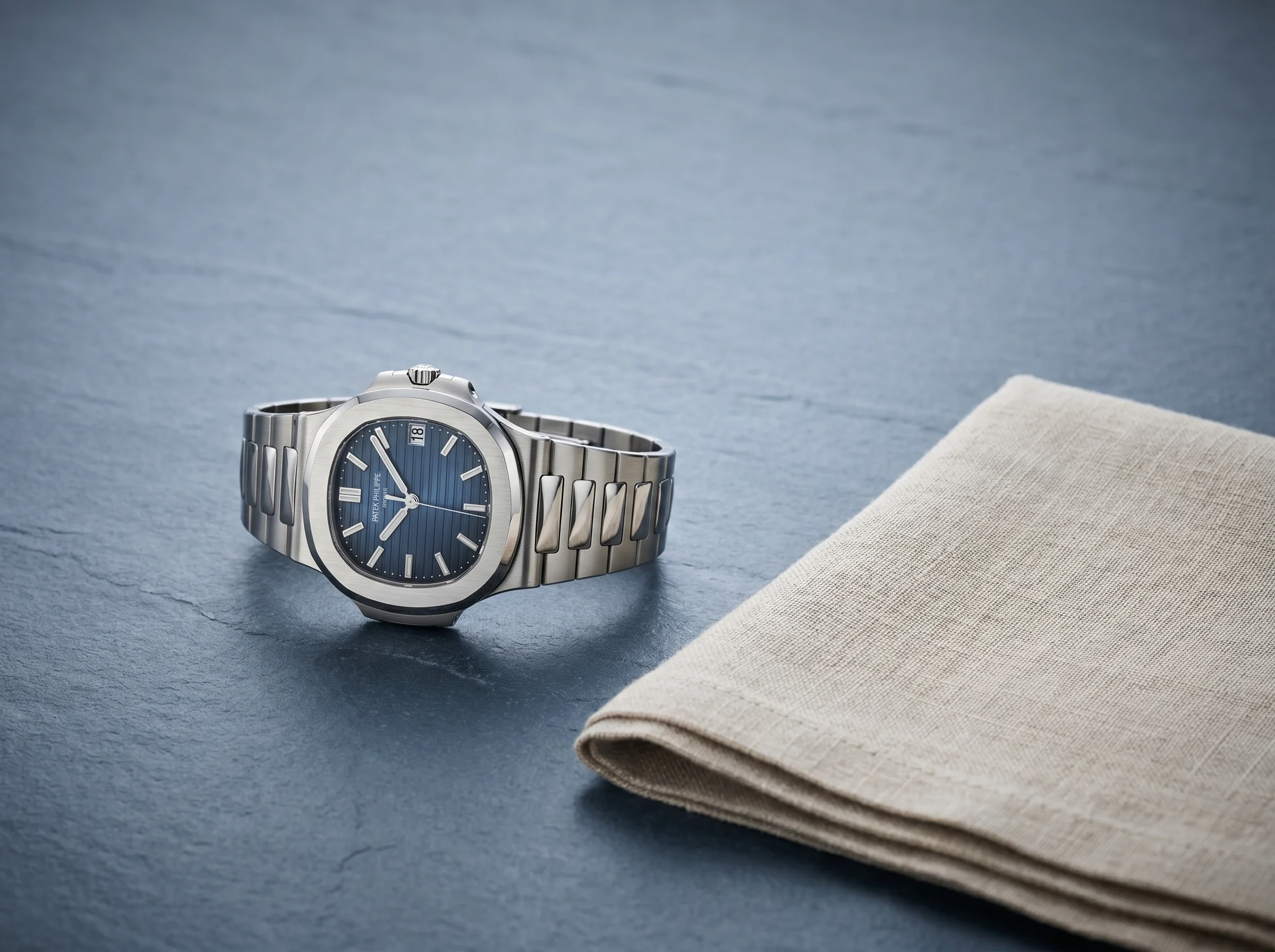 The Nautilus at 50: patience and scarcity, run by one family. (AI-generated illustration.)