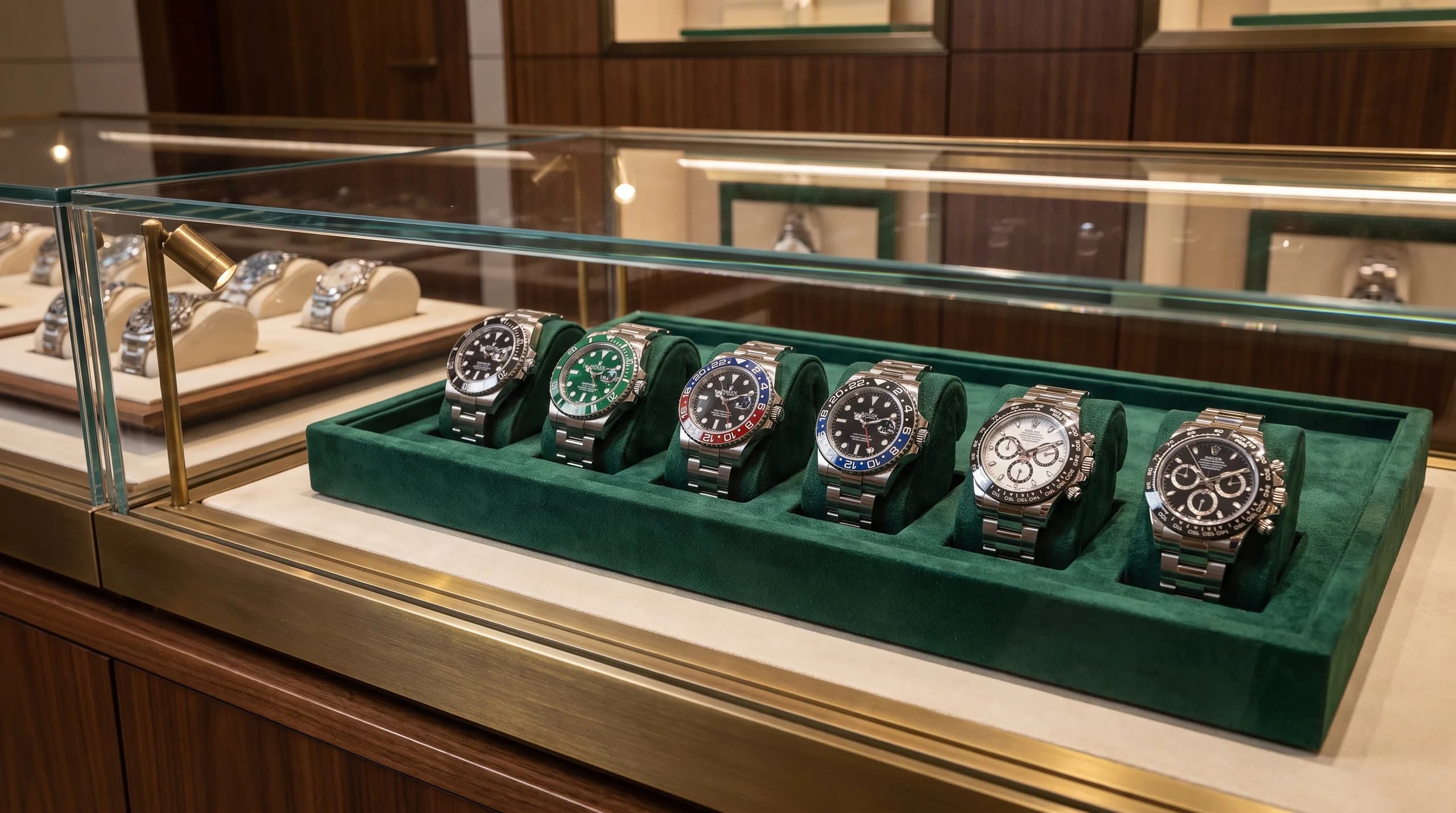
Walk into an authorized dealer and ask for a steel Daytona, and you will not get handed one. You will get a conversation, a business card, and maybe a spot on a list that is not really a list at all.
The short answer: The Rolex waitlist is a relationship-based allocation system, not a queue. Dealers assign new inventory to clients based on purchase history and relationship depth, not signup order. Wait times vary enormously by model, from immediate availability on a Datejust to multi-year waits on a steel Daytona for a first-time buyer. Pre-owned buyers skip the system entirely.
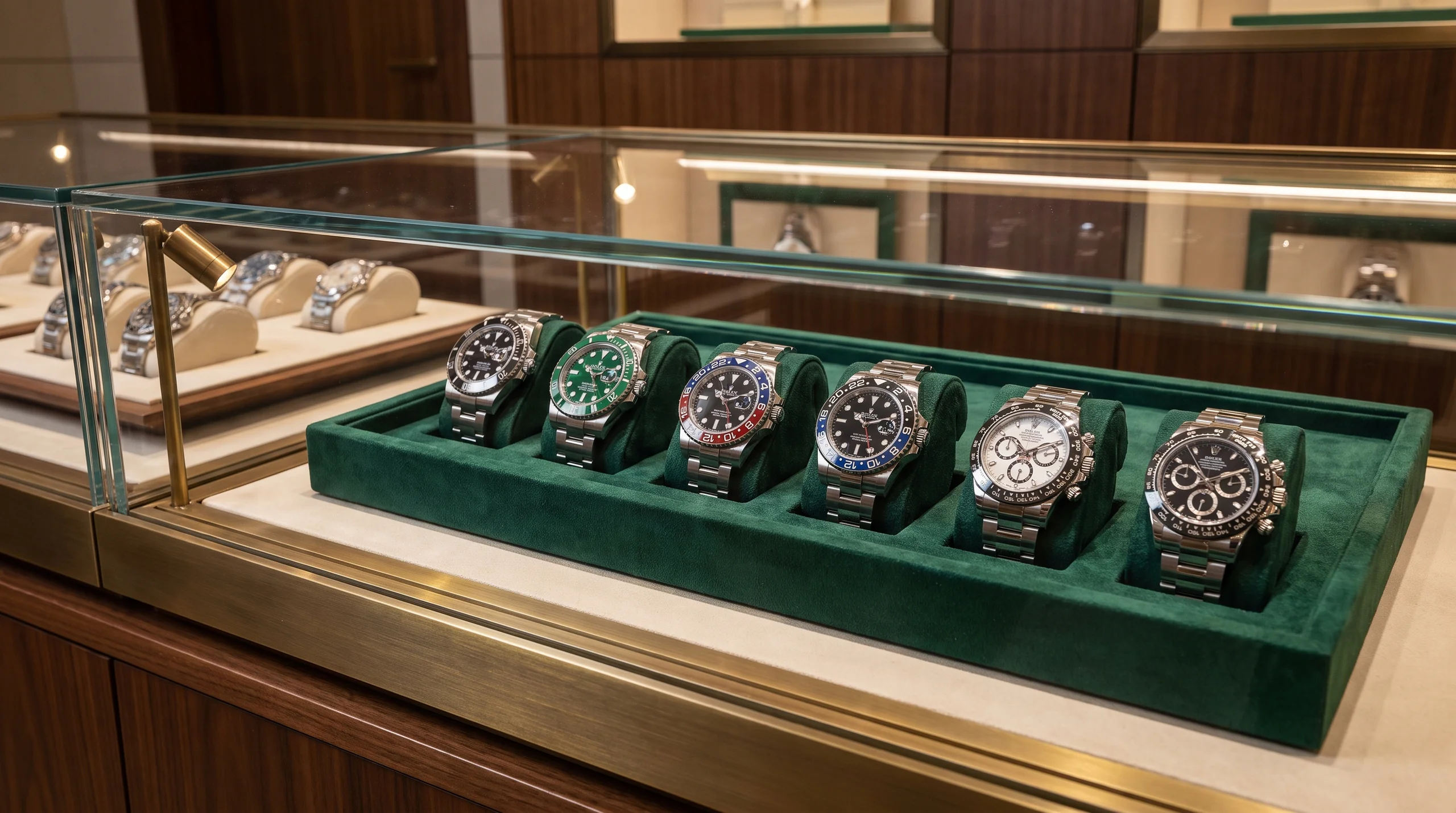 A Rolex boutique display case: what a customer sees rarely reflects what is actually available to buy.
The waitlist is not a waitlist
Most people picture a sign-up sheet. First name in, first watch out. That is not how it works.
Rolex authorized dealers describe their system as a CRM tool, customer relationship management, not a chronological queue. When new inventory arrives, a boutique manager decides who gets offered the watch. That decision weighs purchase history at that specific store, how deep a client's existing collection is, and how a client has behaved in past interactions.
What wait times actually look like in 2026
Wait times depend on two things: the model, and whether you are a new or established client at that specific store. Bob's Watches breaks down typical ranges as of 2026:
Estimated wait by model and relationship
| Model | New customer | Established client |
|---|---|---|
| Cosmograph Daytona (steel) | 5-10 years, or effectively unavailable | 2-4 years |
| GMT-Master II | 3-5 years | 1-2 years |
| Submariner | 1-2 years | 3-6 months |
| Datejust 36/41 | 3-9 months | 1-3 months |
| Day-Date (precious metal) | 1-6 months | Immediate to 2 months |
Those are long. But the picture has genuinely improved since the 2021-2022 shortage peak.
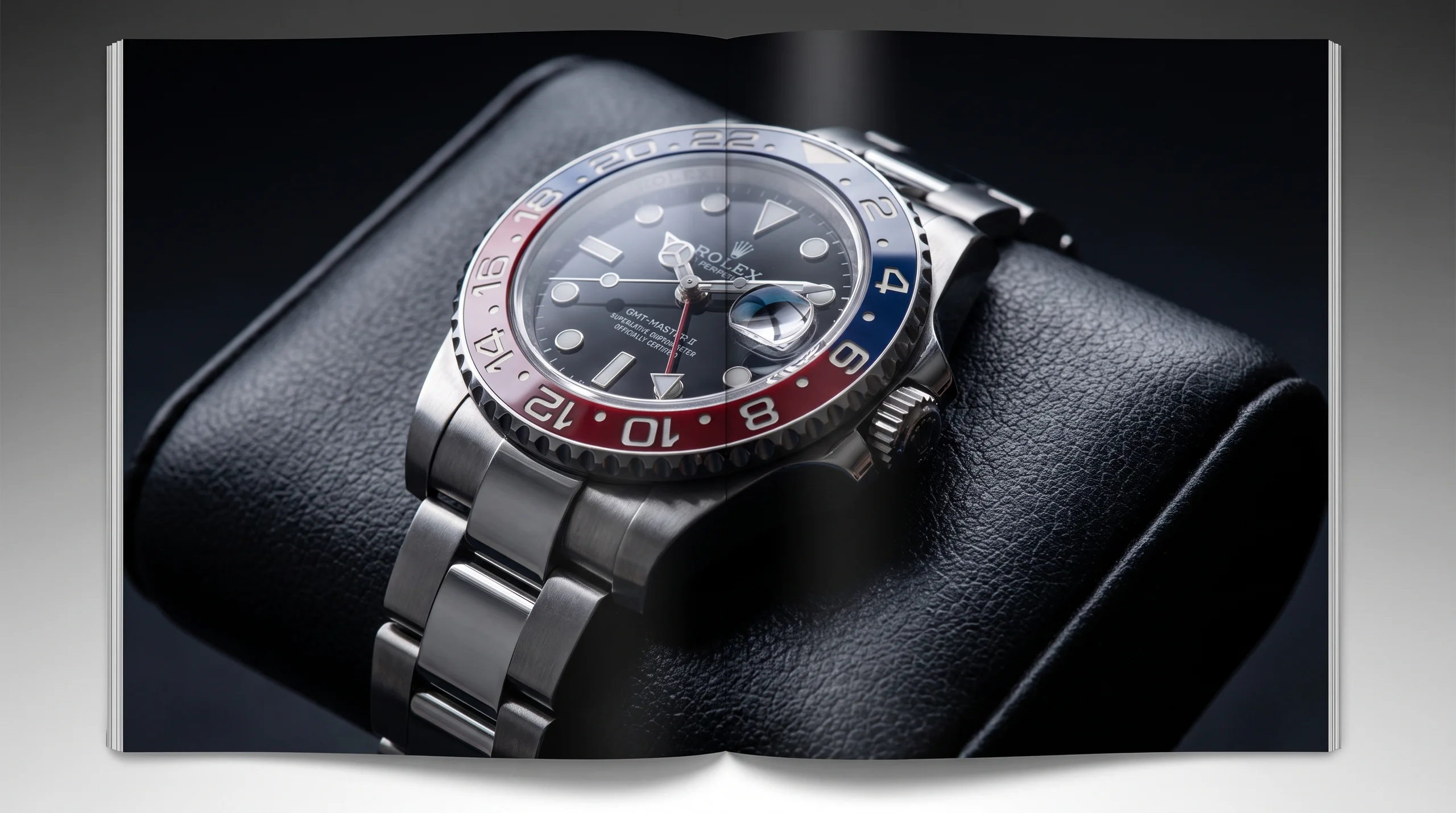 A steel GMT-Master II, one of the models still worth an established relationship with your AD.
Is the shortage actually over?
Depends who you ask, and which watch you are asking about.
A 2026 buyer survey covering more than 1,400 reports found the median overall wait dropped to 1 to 3 months, a sharp fall from the multi-year waits that defined 2021 and 2022. Sport models like the Daytona and GMT-Master II still run 3 to 6 months even under the improved conditions, while entry points like the Datejust and Explorer are often sitting in the case.
Secondary market pricing backs this up. In 2022, a steel Daytona traded at roughly 2.5x retail on the pre-owned market. By 2026, most steel sport Rolex references trade between MSRP and a 20-40% premium, and non-sport models often sell at or slightly below retail.
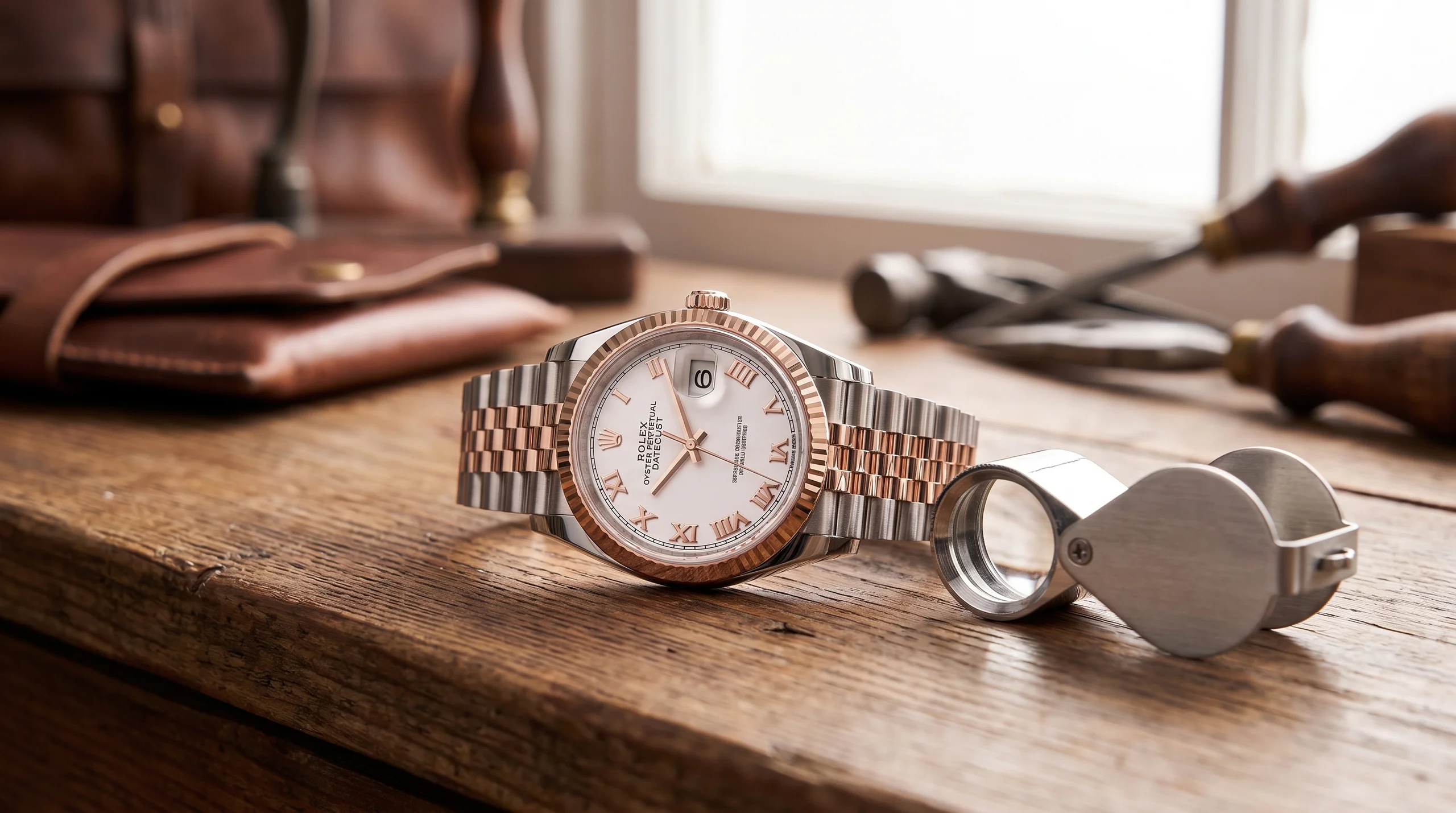 A Datejust, one of the references most buyers can walk out with the same day.
What actually moves you up the list
A few things genuinely help, and none of them are a shortcut.
- Buy the watches nobody wants first. A Datejust or a Day-Date on the wrist before you ask for a Daytona signals you are a real customer, not a flipper cherry-picking the hottest reference.
- Stay loyal to one or two boutiques. Purchase history at a specific store is the single biggest factor a manager weighs.
- Never mention resale or investment. Dealers are trained to hear this and quietly deprioritize you. It signals you plan to flip, not wear.
- Location matters more than most buyers realize. A boutique in a smaller market often has shorter effective waits than a flagship in New York, London, or Dubai simply because fewer people are competing for the same allocation.
None of this guarantees a specific watch on a specific timeline. It is a relationship game by design, and Rolex built it that way on purpose to reward its most loyal retail customers.
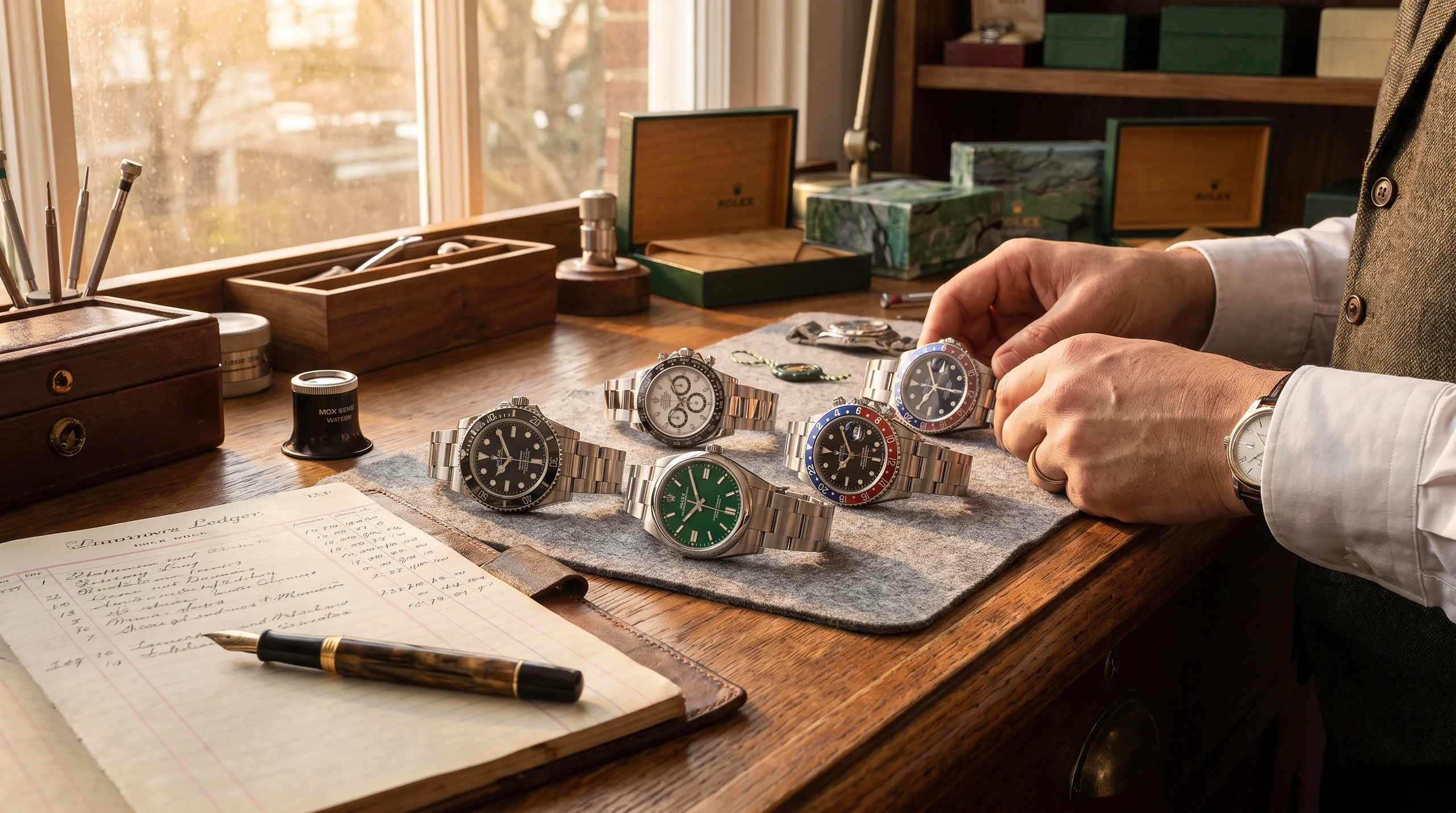 Pre-owned dealers source directly from sellers and trades, sidestepping AD allocation entirely.
The alternative: skip it entirely
Every watch on an authorized dealer's waitlist already exists somewhere in the pre-owned market, often within weeks of its original retail sale. Pre-owned dealers are not competing for allocation. We are buying, trading, and authenticating watches that already left a boutique.
That means no multi-year wait, no relationship-building purchases you do not actually want, and no guessing which store might call first. You pay a premium over retail on the hottest references, the same 20-40% range covered above, but you walk away with the exact watch, dial, and bracelet configuration you want, today.
We covered a related version of this exact situation when the Pepsi GMT-Master II was discontinued and its waitlist became meaningless overnight. Our advice for buyers stuck on that waitlist still applies to anyone weighing years of waiting against buying pre-owned now. If you are comparing the AD path against grey market and certified pre-owned more broadly, this breakdown lays out the tradeoffs in full.
For travelers specifically debating a wait on the GMT-Master II, it is also worth knowing what else is available without the line. Tudor's Black Bay 58 GMT has become the default answer for buyers unwilling to wait years for the Rolex equivalent.
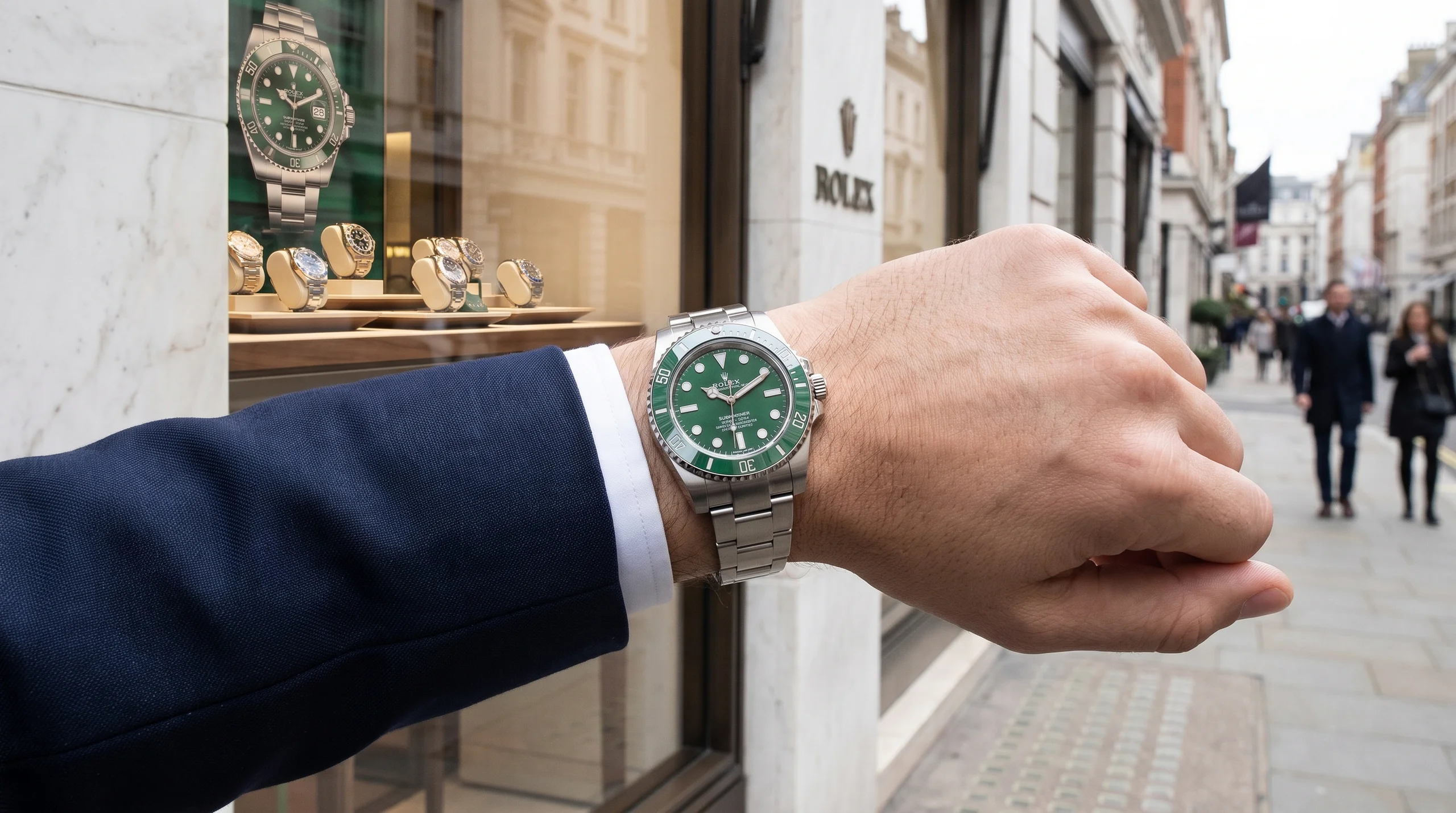 Walking out the same day is the entire appeal of buying pre-owned.
FAQ
Is the Rolex waitlist a real list?
Not in the way most people picture it. There is no chronological queue. Dealers allocate incoming inventory to clients based on purchase history and relationship depth at that specific boutique, not signup order.
How long is the wait for a steel Rolex Daytona in 2026?
For a brand-new customer with no purchase history at that boutique, 5 to 10 years, or effectively unavailable at some stores. Established clients typically wait 2 to 4 years.
Which Rolex models are easiest to buy right now?
The Datejust and Day-Date in precious metal are the most available, often in stock or with waits under a few months. Steel sport models, the Daytona, GMT-Master II, and Submariner, remain the hardest.
Does buying other watches first help you get a Daytona?
It can. Purchase history at a specific boutique is one of the most heavily weighted factors dealers use when allocating hard-to-get references.
Is it faster to just buy pre-owned?
Yes, in almost every case. Pre-owned dealers are not subject to Rolex's allocation system at all, so you can buy the exact reference you want immediately, typically at a 20 to 40% premium over retail for the most in-demand sport models.
Browse authenticated pre-owned Rolex watches at 5dwatches.com, no waitlist required.