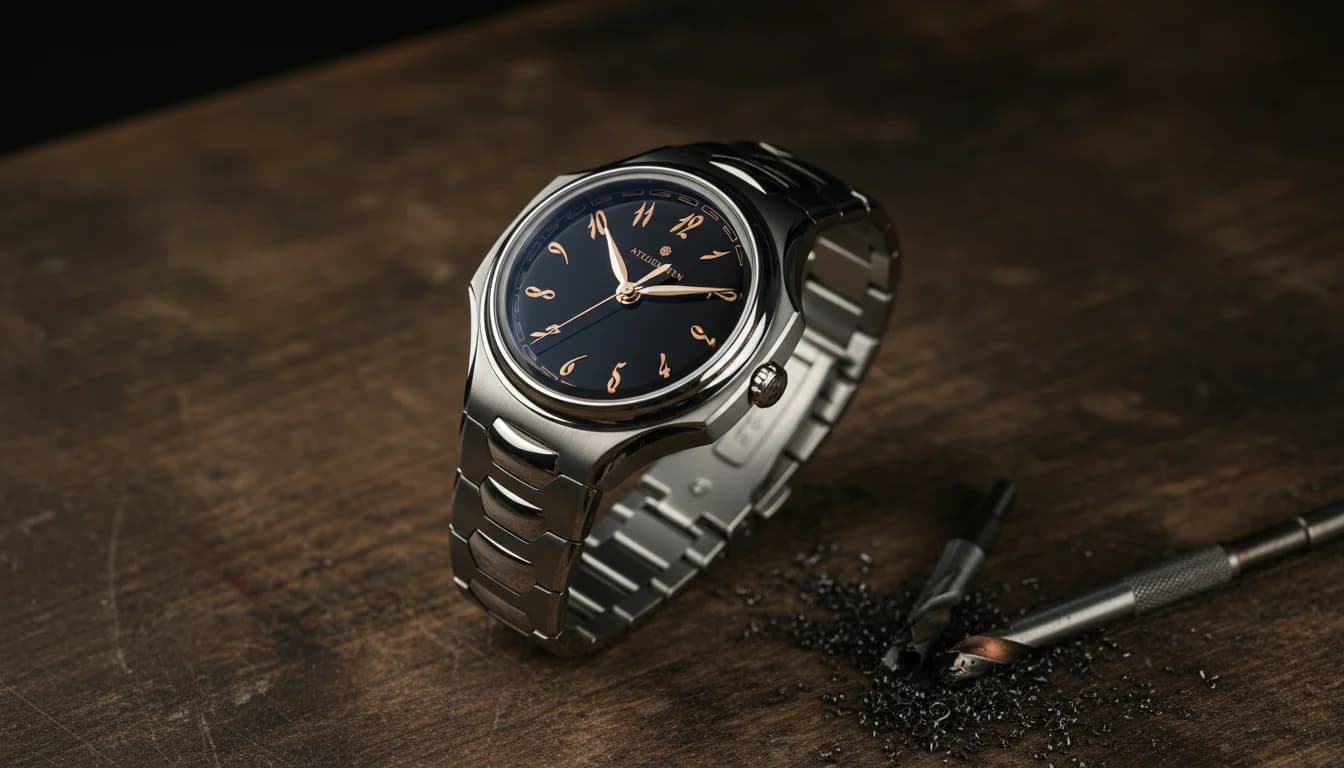
The Short Answer
Tantalum is a rare, dark grey metal with a hardness of roughly 870 to 1,200 Vickers, about four times harder than stainless steel and more than twice as hard as titanium. It resists corrosion from nearly every acid on earth (hydrofluoric acid below 150 degrees Celsius is the one exception), has a melting point of 3,017 degrees Celsius, and is so difficult to cut and shape that machining it wears out cutting tools fast enough to make finished cases expensive, even though the raw material itself is cheap.
That distinction matters. A tantalum watch does not cost more because tantalum is scarce like gold. It costs more because almost no factory wants to spend the time and tool wear it takes to actually machine it.
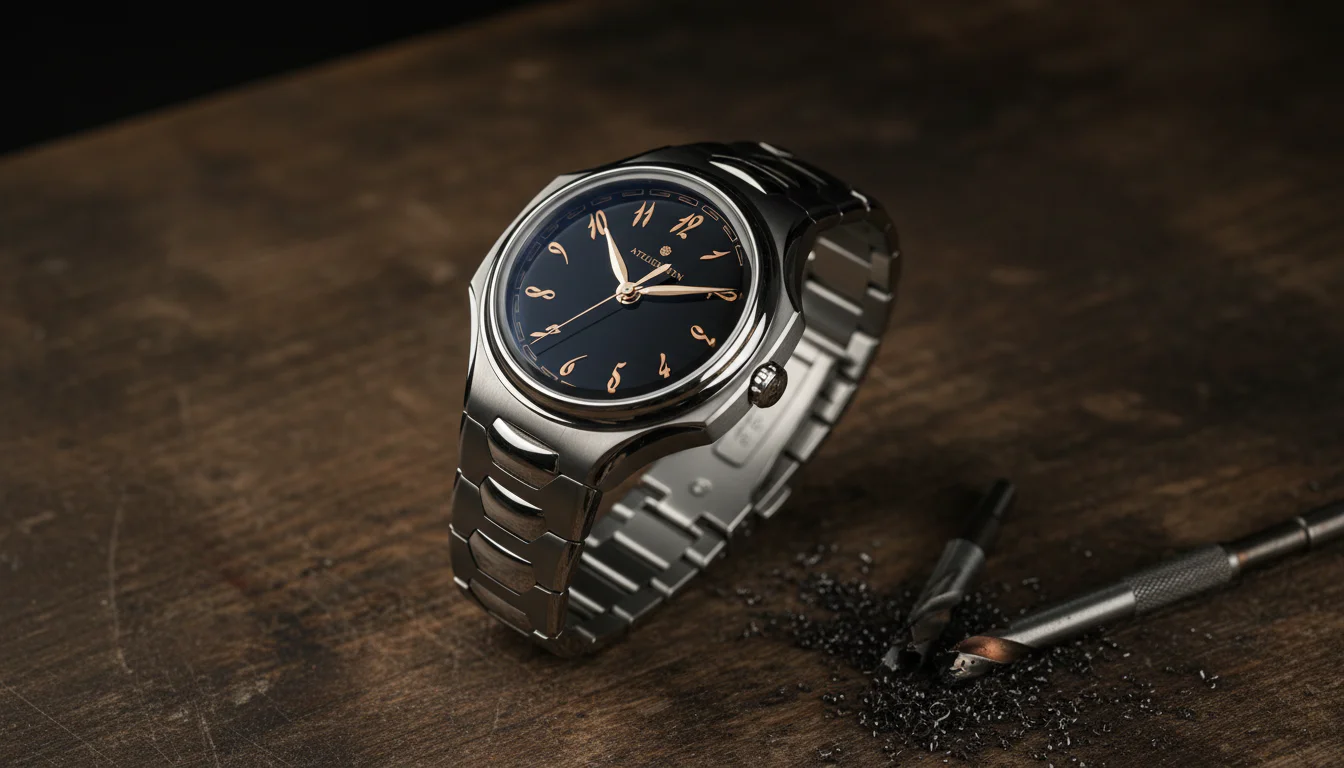 Tantalum's own hardness is the reason so few brands touch it. It does not get easier with a bigger budget.
The watch photos in this article were generated with AI image tools, conditioned on real reference photography of tantalum watch cases and machining equipment so the material finish, tooling, and construction details are accurate representations.
What Tantalum Actually Is
Tantalum is a chemical element, atomic number 73, discovered in 1802 and first isolated in metallic form in 1864, though it was not produced in a purified, usable state until 1902. It sits in the same part of the periodic table as niobium and shares some of its properties: dense, dark, and startlingly resistant to chemical attack.
Despite the exotic reputation, tantalum is not actually rare in the way gold or platinum are. Raw tantalum costs under $200 per kilogram, roughly 250 times more common in the earth's crust than gold. The premium collectors pay for a tantalum watch case has almost nothing to do with the price of the raw metal.
Why It Is So Hard to Machine
Tantalum's Vickers hardness runs 870 to 1,200, compared to roughly 200 to 250 for 316L stainless steel and around 350 to 400 for Grade 5 titanium. That hardness is exactly what makes it durable against scratches on the wrist, and exactly what destroys standard cutting tools when a machinist tries to turn a case out of raw stock.
The bigger problem is heat. Tantalum has poor thermal conductivity, so the heat generated by cutting does not dissipate quickly through the material. It builds up at the tool tip instead, which accelerates tool wear dramatically. A shop cutting tantalum burns through carbide tooling far faster than it would cutting steel or titanium, and that tooling cost gets passed straight into the price of the finished case.
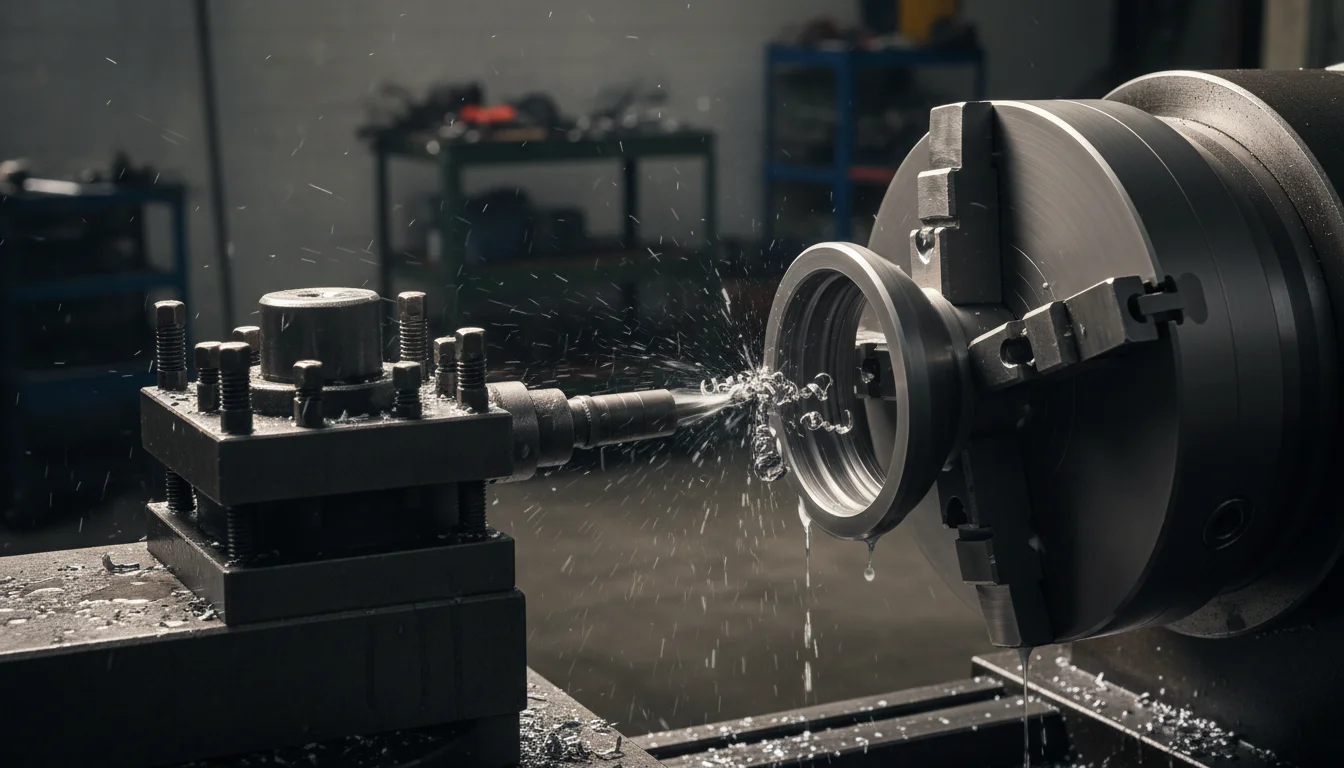 Heat has nowhere to go. That single property is most of why tantalum cases cost what they cost.
Tantalum is also, paradoxically, quite ductile. Collectors sometimes describe raw tantalum as feeling "chewy," almost like dense clay, when worked with certain tools, which sounds like it should make machining easier. It does not. That ductility means the metal tends to smear and gall against cutting edges rather than shearing cleanly, adding yet another way for the process to go wrong.
Why Brands Bother Anyway
Given the difficulty, the obvious question is why any watchmaker uses tantalum at all. The answer is corrosion resistance and a distinctive look that no other case metal quite replicates.
Tantalum is essentially inert to acids. It resists attack from nearly every acid, including sulfuric, hydrochloric, and nitric, at any concentration and temperature a watch would ever encounter. The single exception is hydrofluoric acid below about 150 degrees Celsius, a chemical circumstance no watch owner will realistically face. That makes a tantalum case about as close to chemically indestructible as a wearable object gets.
The finished color is the other draw: a dark, blue-grey lustre that reads differently from black DLC coatings or blackened steel, because it is the metal's natural color rather than a surface treatment that can wear through over decades of use.
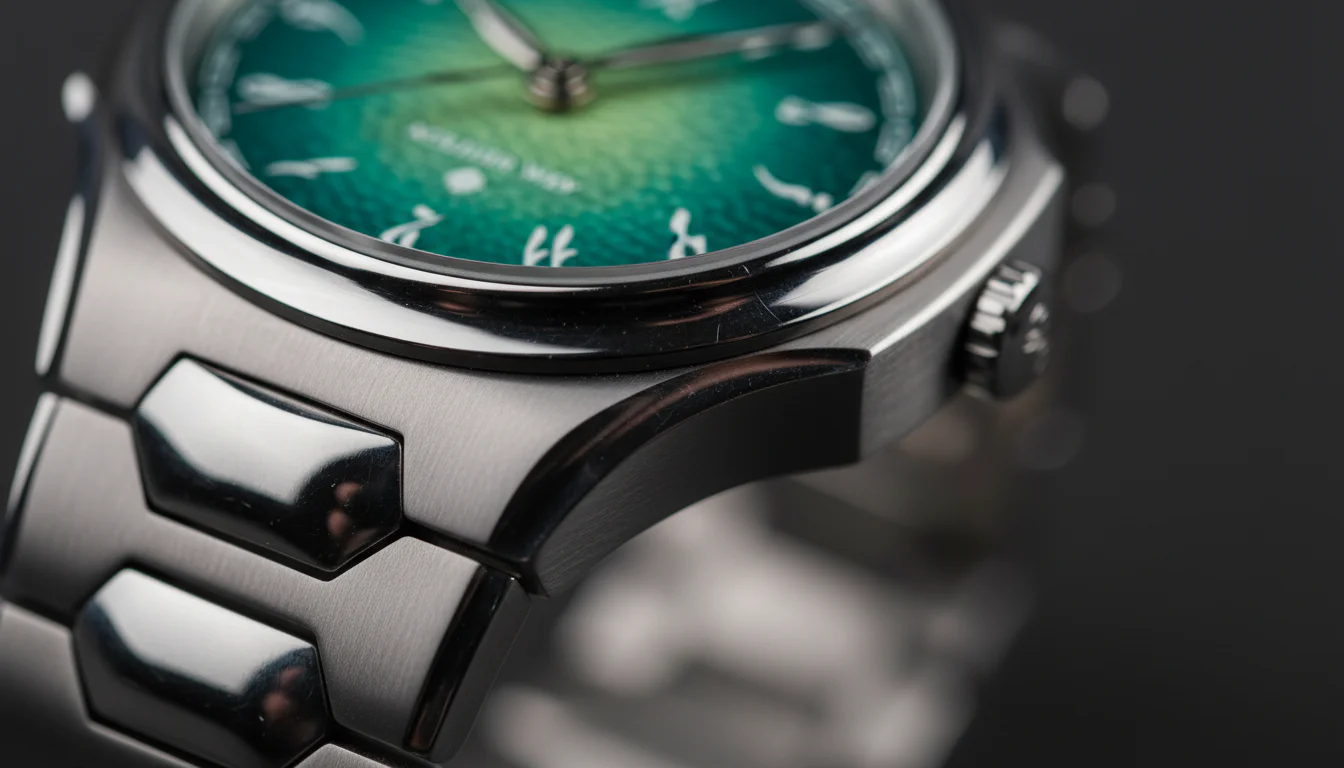 The color is not a coating. It is what the metal actually looks like, which is why it does not wear off.
Who Actually Uses Tantalum
Audemars Piguet made the first tantalum watch case in the 1980s, and the material has stayed a mark of technical ambition rather than a mainstream option ever since. Jaeger-LeCoultre, Omega, F.P. Journe, Hublot, and Greubel Forsey have all produced tantalum pieces at various points, almost always positioned as a technical flex rather than a core catalog offering.
The material has also found its way into the independent and microbrand space in recent years, with smaller houses like Atelier Wen and Zelos using tantalum in limited runs to signal serious machining capability on a smaller budget than the majors.
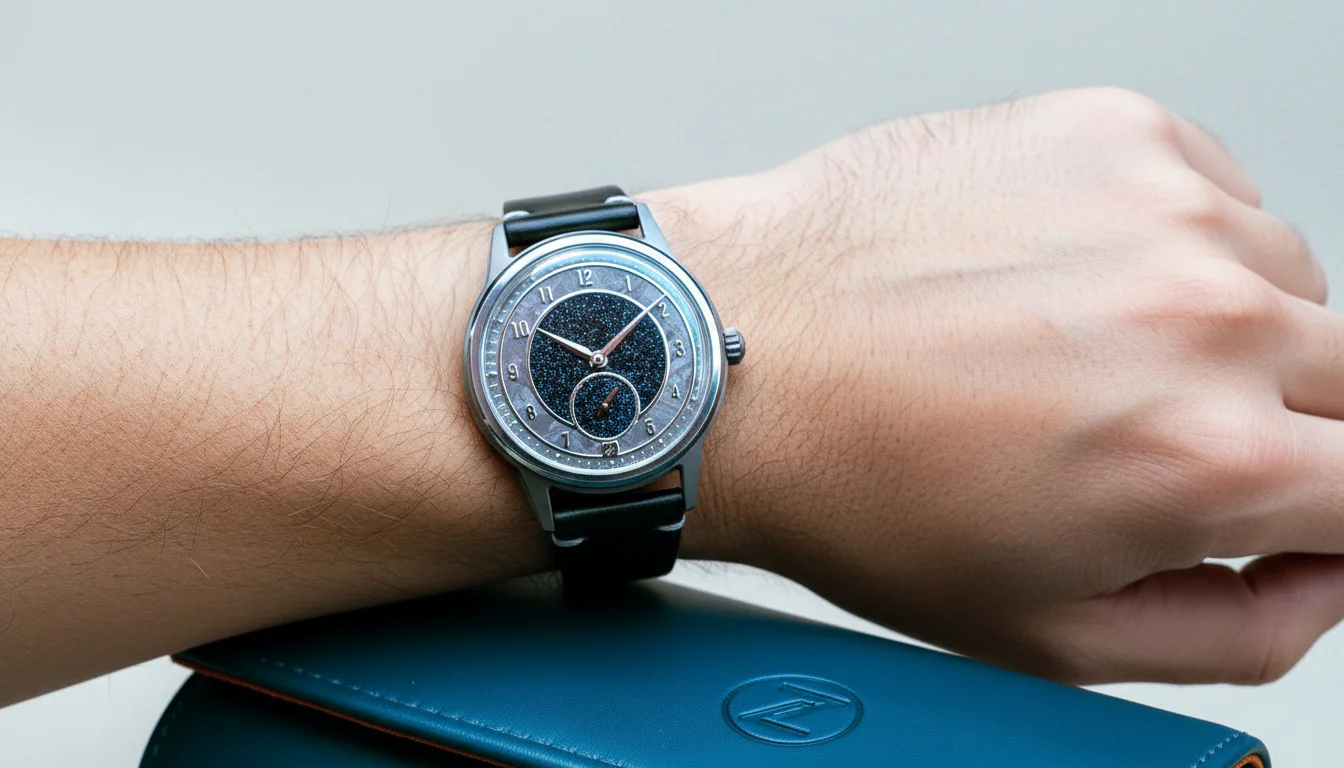 Zelos pairs its tantalum cases with dial materials just as unusual as the case metal itself.
Atelier Wen has taken a similar approach with its Inflection line, an integrated-bracelet tantalum watch built around a Girard-Perregaux movement, positioning the material as a statement piece for a brand that otherwise builds far more accessible watches.
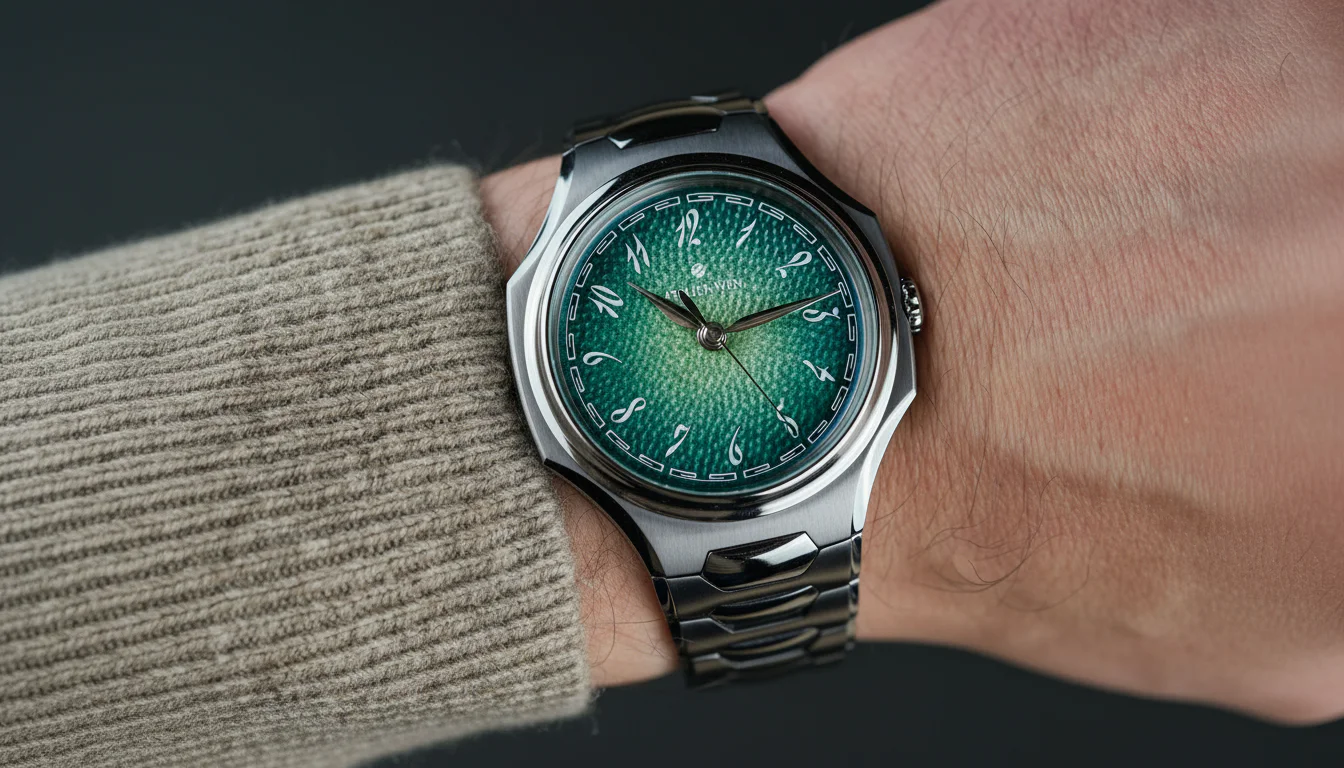 The dark tantalum case reads noticeably different from steel or titanium in person, not just in specs.
FAQ
What makes tantalum watches so expensive?
Not the raw material, which costs under $200 per kilogram. The expense comes from machining: tantalum's extreme hardness and poor heat dissipation wear out cutting tools quickly, which drives up the labor and tooling cost of producing a finished case.
Is tantalum harder than titanium?
Yes. Tantalum's Vickers hardness runs roughly 870 to 1,200, more than double the 350 to 400 Vickers typical of Grade 5 titanium, and about four times harder than standard 316L stainless steel.
Which watch brands use tantalum?
Audemars Piguet produced the first tantalum watch case in the 1980s. Jaeger-LeCoultre, Omega, F.P. Journe, Hublot, and Greubel Forsey have all used it since, alongside independent brands like Atelier Wen and Zelos in more recent limited releases.
Does tantalum rust or corrode?
Effectively no. Tantalum resists nearly every acid at any concentration or temperature, with hydrofluoric acid below 150 degrees Celsius as the only meaningful exception, making it one of the most corrosion-resistant metals used in watchmaking.
Is a tantalum case just black steel?
No. Tantalum's dark blue-grey color is the metal's natural tone, not a surface coating like DLC or PVD black. Because it is not a coating, it cannot wear through to reveal a different color underneath the way a blackened steel case eventually can.