The Ranger gets overshadowed by the Black Bay every time someone talks Tudor. That is a mistake. It is the cheapest way into an in-house Tudor chronometer movement, it wears smaller and lighter than almost anything else in the catalog, and it has a real expedition pedigree that most field watches only pretend to have.
This post includes AI-assisted images built from real reference photos of the actual watches discussed. All specifications, reference numbers, and pricing are researched and verified against manufacturer and trade sources, not invented.
The short answer: The current Tudor Ranger comes in two sizes: 36mm (reference 79930, four dial and strap combinations) and 39mm (reference 79950, four combinations). Both run the in-house COSC-certified caliber MT5400 (36mm) or MT5402 (39mm), both rated to 100m, both carry a 70-hour power reserve. Retail runs from about $3,550 for the 36mm on a strap to about $4,025 for the 39mm on a steel bracelet. Pre-owned examples trade close to retail right now given limited supply, typically $3,700 to $4,000 depending on configuration and completeness.
Where The Ranger Actually Comes From
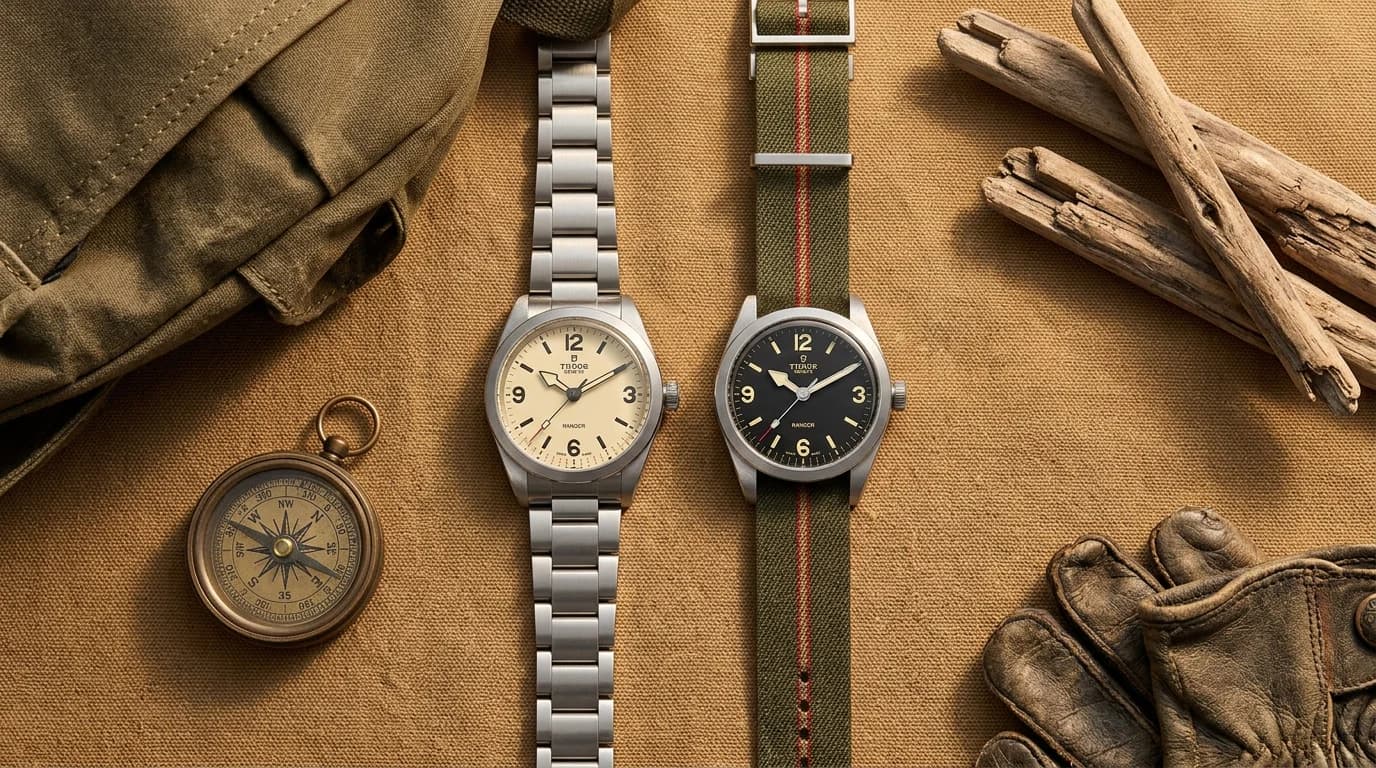
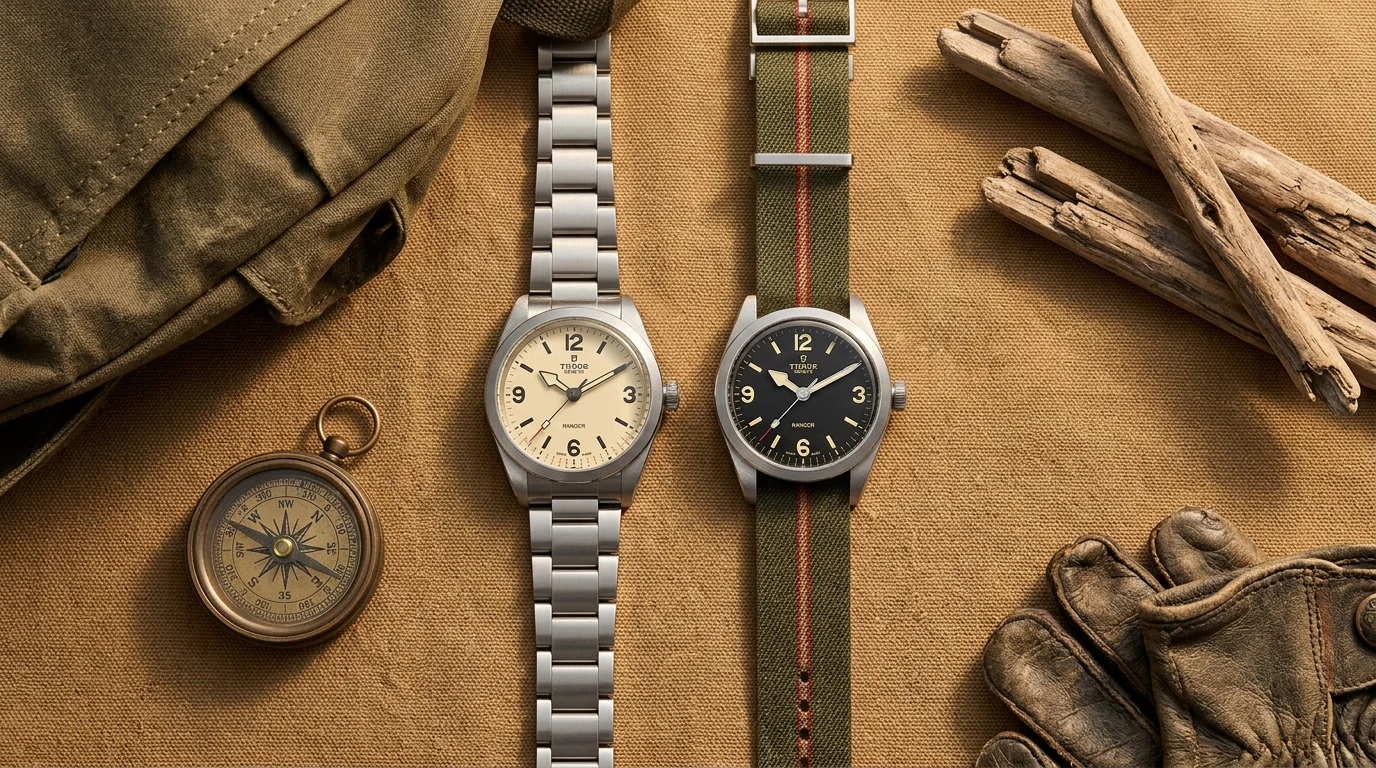 The Ranger's design language leans directly on its 1950s expedition roots: high contrast dial, oversized numerals, simple hands built for legibility.
Tudor's original Ranger heritage traces back to the British North Greenland Expedition of 1952 to 1954, where 26 watches under reference 7909 were issued to the team logging scientific data across the ice sheet. Those were white-dial, 34mm automatic Oyster Prince models, chosen for legibility and reliability rather than anything decorative. The Ranger name disappeared from Tudor's catalog for long stretches over the following decades before returning for good in 2022 as reference 79950, then expanding to the smaller 79930 case later. Tudor now positions the line as the brand's entry-level manufacture watch and the official timekeeper of the Dakar Rally, which tells you roughly what kind of use case they are building for.
36mm vs 39mm: The Real Difference
The size split is not just a marketing SKU decision. It changes how the watch wears and, in the 36mm's case, what movement drives it.
| Spec | Ranger 36mm (79930) | Ranger 39mm (79950) |
|---|---|---|
| Case diameter | 36mm | 39mm |
| Movement | MT5400 | MT5402 |
| Power reserve | 70 hours | 70 hours |
| Water resistance | 100m | 100m |
| Dial options | Beige, black | Beige, black, "Dune" white |
| Strap options | Steel bracelet, fabric strap | Steel bracelet, fabric strap |
| Retail range | $3,550 to $3,900 | $3,675 to $4,025 |
Both movements are COSC-certified chronometers built by Kenissi, the manufacture Tudor co-owns and that also supplies calibers to Breitling and Chanel. The 36mm suits smaller wrists and anyone who wants the field-watch look without the field-watch bulk. The 39mm is the closer match to the original 1950s spirit and the one most collectors default to if they are only buying one.
What A Pre-Owned Ranger Should Actually Cost
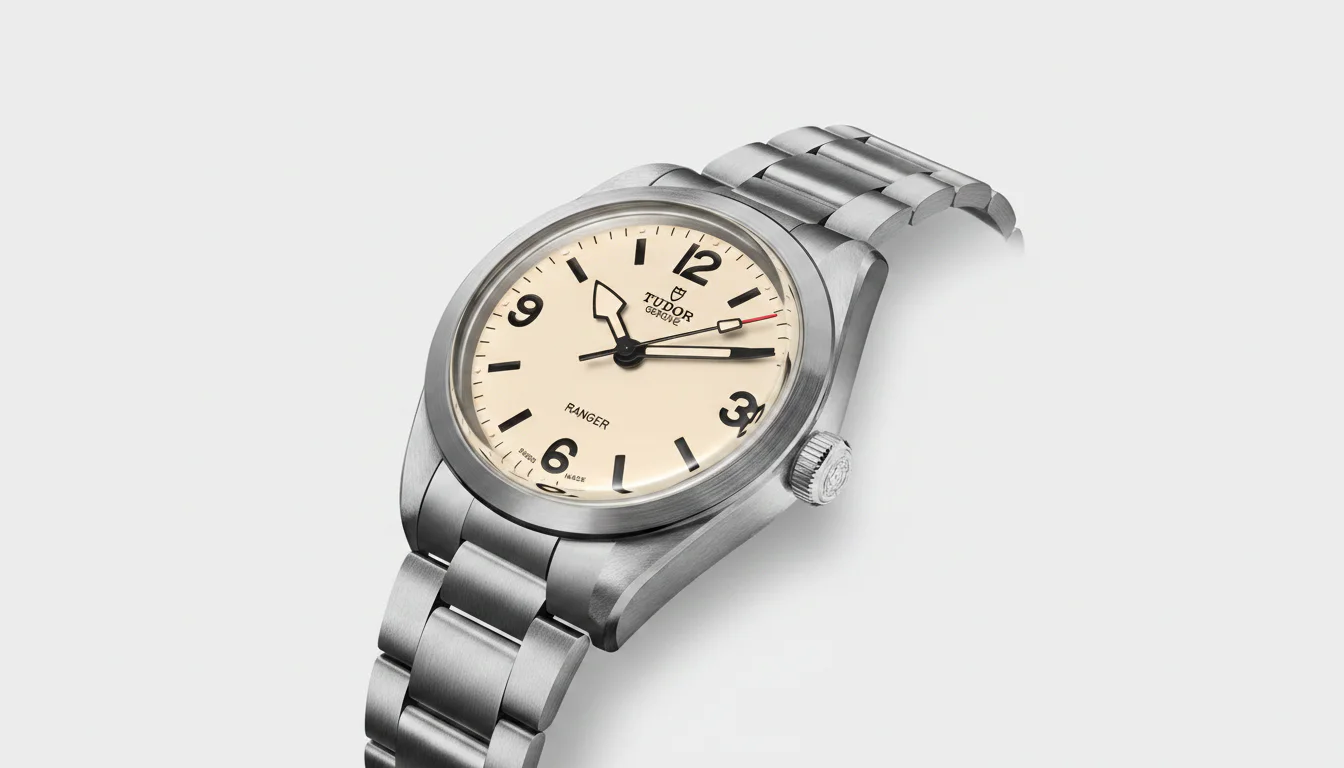 The 79950 on steel bracelet, the configuration most buyers gravitate to.
Pre-owned Ranger pricing runs close to retail right now, which is unusual for a watch this new. A recent excellent-condition 79950 beige dial with box and papers listed at $3,995, essentially retail for that configuration. Expect strap models to trade slightly below bracelet models on the secondary market, and expect very little discount overall while supply stays tight. This is not a watch you buy pre-owned expecting a bargain over new. You buy it pre-owned to skip a waitlist or to get a specific dial and strap combination that is not currently in stock at retail.
What to check before buying: confirm the reference number matches the dial color and strap you are being shown (79930 vs 79950 references get mixed up in listings more than you would expect), verify the fabric strap keepers are intact if buying a strap model since those wear first, and ask for service history even on a watch this new since the 70-hour power reserve means it has likely been sitting unworn between owners.
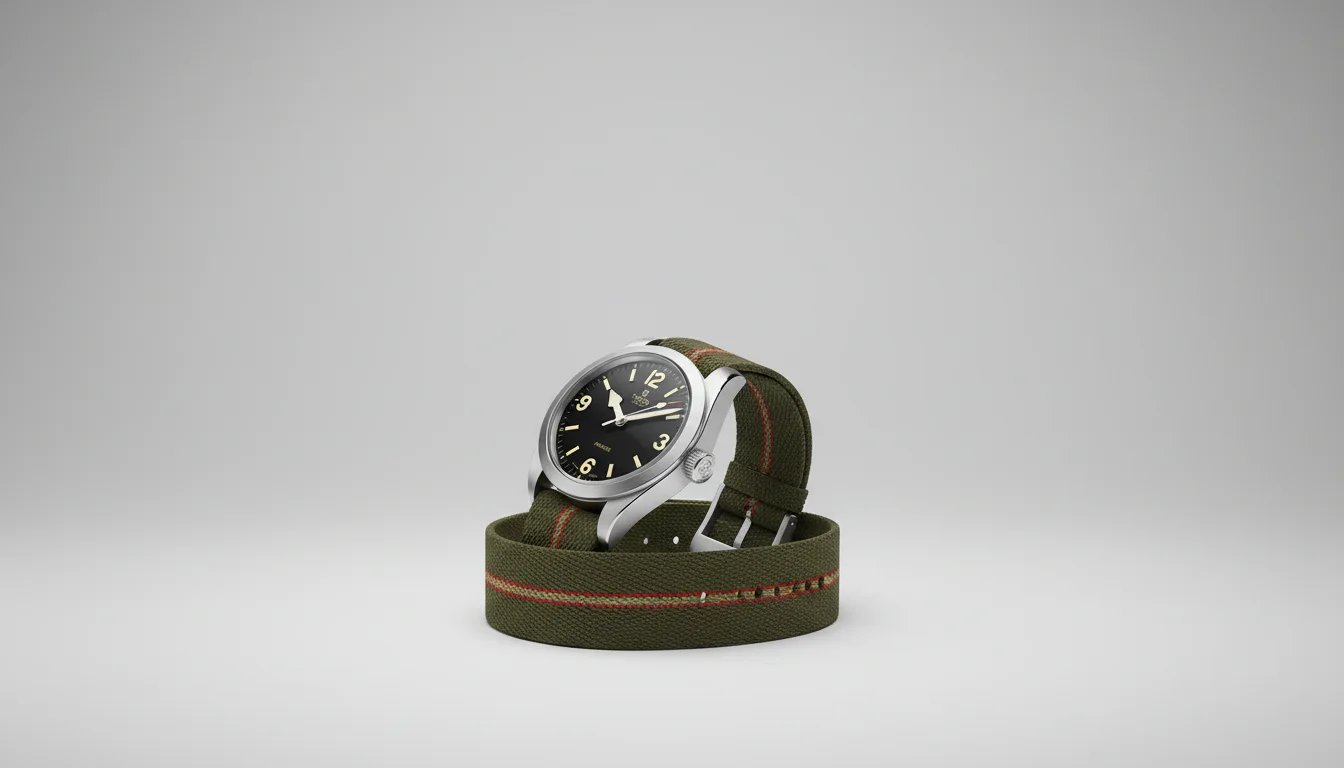 The 36mm on its striped fabric strap. This is the closest the current Tudor catalog gets to a true field-watch aesthetic.
Who The Ranger Is Actually For
This is not a dive watch pretending to be a field watch, and it is not trying to compete with the Black Bay's water resistance or bracelet heft. It is built for legibility, light weight, and daily wearability, which makes it a genuinely strong first Tudor for someone coming from a fashion watch or a first mechanical piece from another brand entirely. It is also a smart second watch for an existing Rolex or Tudor owner who wants something that disappears under a cuff and does not draw attention.
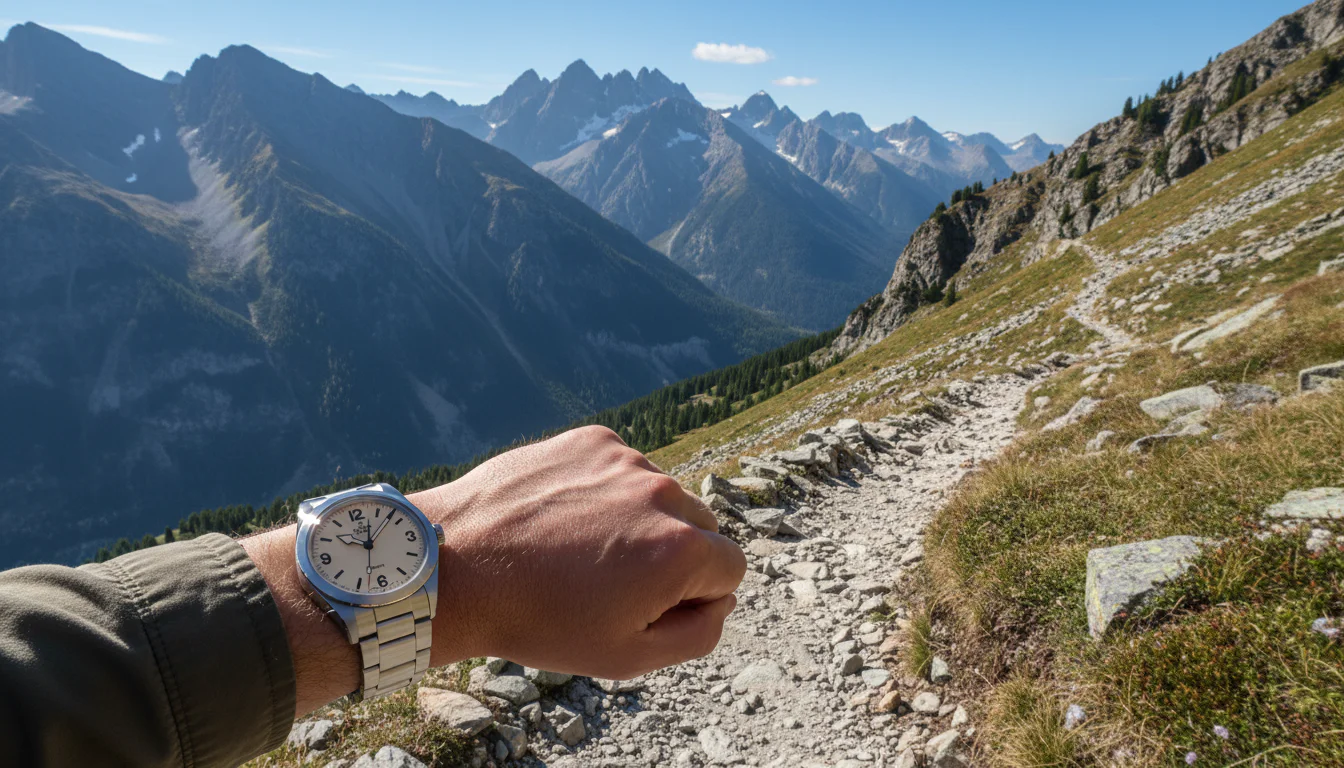 Where the Ranger earns its name. Light, legible, and built for exactly this kind of daily wear.
If your priority is maximum water resistance or a rotating bezel for dive timing, the Black Bay 58 or Pelagos 39 serve that need better. If your priority is the lightest, most wearable in-house Tudor at the lowest price point, the Ranger is the clear answer.
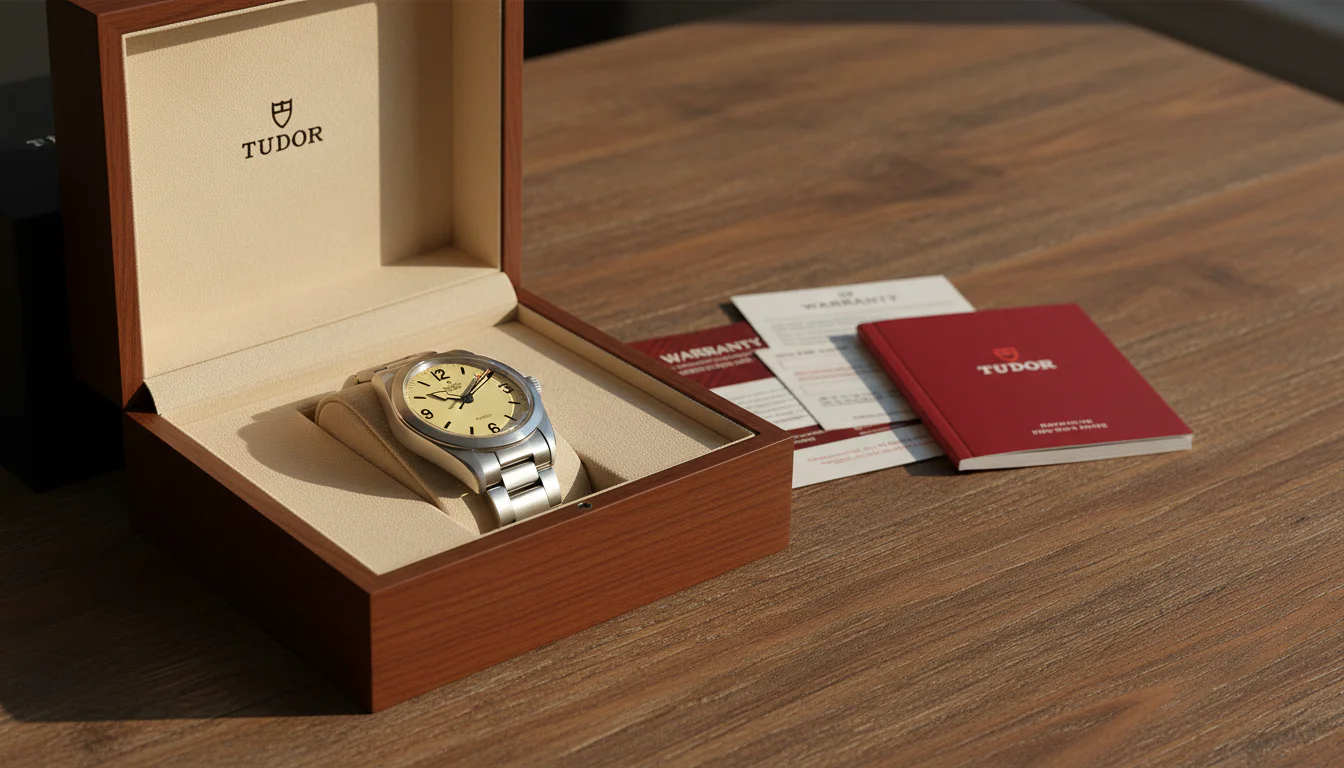 A complete set with box and papers matters more on a watch this new, since it is your clearest proof of an unaltered service history.
FAQ
What is the difference between the Tudor Ranger 36mm and 39mm?
The 36mm (reference 79930) runs caliber MT5400 and the 39mm (reference 79950) runs caliber MT5402. Both are COSC-certified with a 70-hour power reserve and 100m water resistance. The main practical difference is case size and wrist presence, not performance.
How much does a Tudor Ranger cost?
Retail ranges from about $3,550 for the 36mm on a fabric strap to about $4,025 for the 39mm on a steel bracelet. Pre-owned examples currently trade close to retail given limited supply.
Is the Tudor Ranger a dive watch?
No. It is rated to 100m water resistance, enough for swimming and daily wear, but it lacks a rotating dive bezel and the deeper water resistance of the Black Bay 58 or Pelagos 39.
What movement does the Tudor Ranger use?
The 36mm uses caliber MT5400 and the 39mm uses caliber MT5402, both in-house Kenissi-built automatic movements with COSC chronometer certification and a 70-hour power reserve.
Is the Tudor Ranger a good first luxury watch?
Yes. It combines an in-house chronometer movement, real historical pedigree, and a lower entry price than most of the Tudor catalog, making it one of the most approachable ways into manufacture-grade Swiss watchmaking.