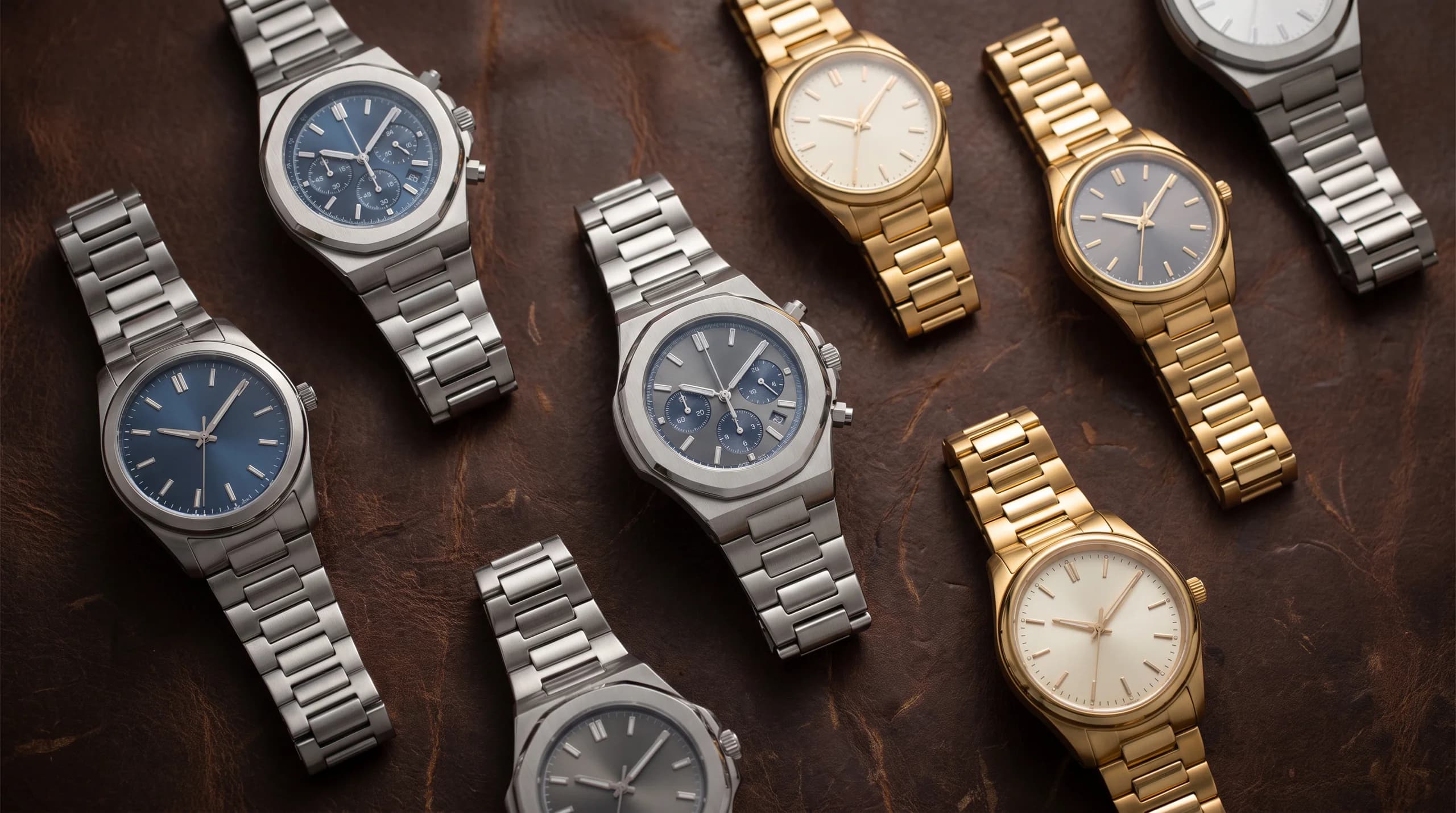
Every January, Rolex raises its prices, and every year a chorus tells buyers to lock in a watch before the next increase. In 2026 that advice is more misleading than usual. Rolex has raised retail twice this year, and at the same time the secondary market is carrying record numbers of listings. When supply is climbing and asking prices are leaning on a fresh MSRP, the person with leverage is the buyer, not the seller.
That is the part the headlines skip. Retail going up is not the same as your watch being worth more, and in 2026 the gap between those two ideas is unusually wide across much of the Rolex catalog. Here is what the supply picture actually looks like, and how to use it.
The images in this article are AI-generated illustrations created for editorial purposes. They are not photographs of a specific watch offered for sale.
The short answer: after Watches and Wonders, Rolex listings surged to record levels, and Rolex has since raised retail a second time in 2026, on gold and two-tone only. The overall market is still in a gentle recovery, but the supply and the retail hikes have opened real buyer leverage on everything outside the hyped steel handful. Some gold references already trade below retail. Price off live comparable listings, not off a new sticker.
The listing surge is real
The clearest signal came right after the show. WatchCharts notes that once the Pepsi discontinuation was confirmed at Watches and Wonders 2026, Rolex listings surged to record levels and prices eased slightly from their April highs. The discontinuation itself pulled owners off the sidelines: with the red-bezel GMT officially dead, holders rushed to list into the pop, and the broader post-show churn added to the pile.
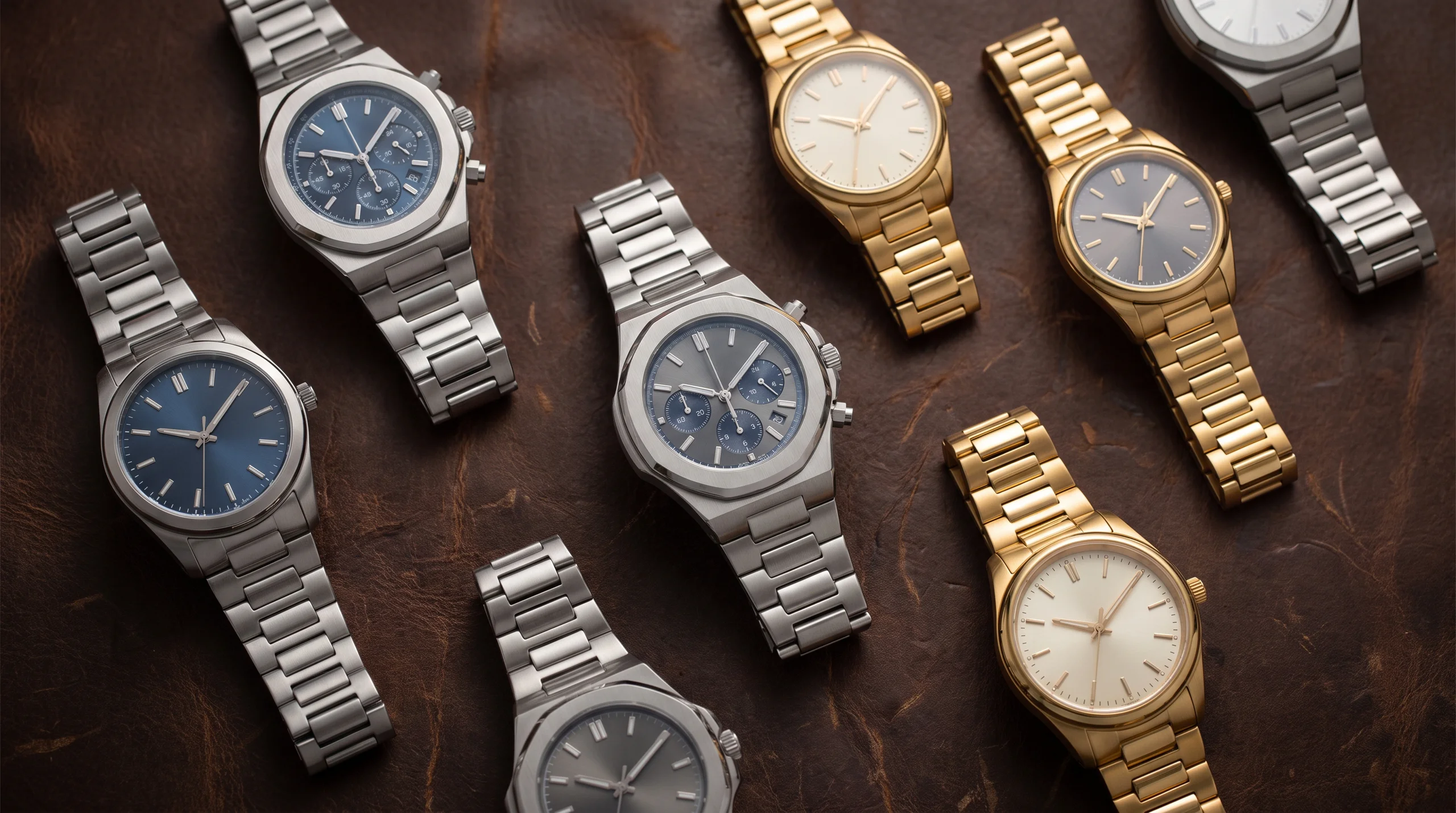 More watches on the market means more choice, and more room to negotiate, for a disciplined buyer.
This is not a crash. Morgan Stanley's first-quarter 2026 report describes a gentle, broadening recovery that has been underway since mid-2025, with Rolex up around 1.7% quarter on quarter. Both things are true at once: the index is grinding higher, and there is more inventory sitting on the market than there has been in a long time. Ample supply and rising prices can coexist, and right now they do.
Rolex raised retail twice, and steel sat still
The pricing moves matter because sellers use them to justify asking prices. Rolex raised retail across the catalog on January 1, averaging roughly 7% in the US. Then on June 1 it went again, but narrowly: solid gold up about 5%, two-tone Rolesor about 2.5%, and steel, platinum, and titanium left untouched. The second hike was almost entirely about the price of gold, which had run to around $4,500 an ounce by late spring.
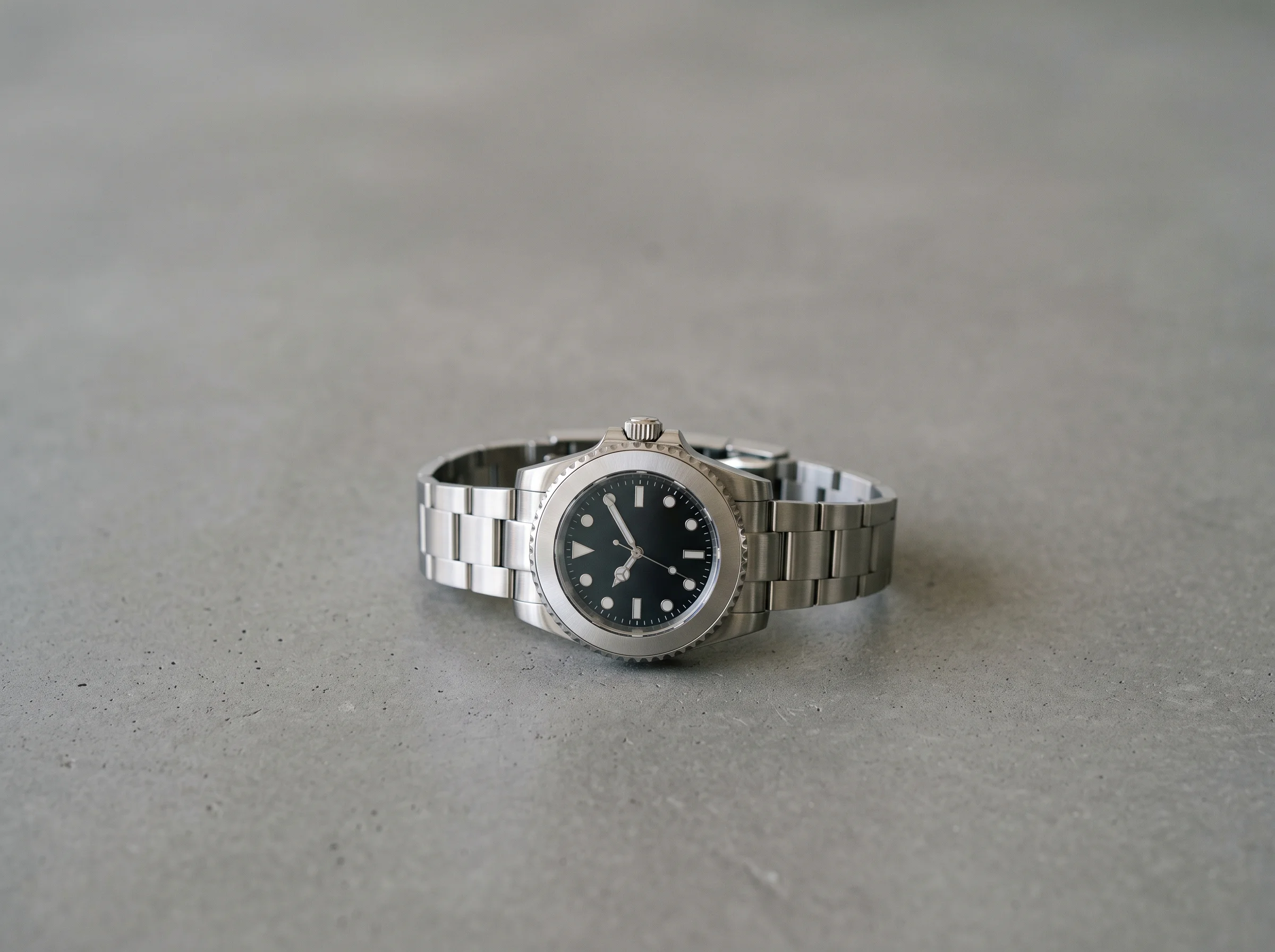 Rolex left steel untouched in June, protecting the accessibility of its core sports watches while the gap opened elsewhere.
Retail is not the secondary market
A higher MSRP raises the ceiling of a negotiation without lifting the floor of real deals. Rolex controls its retail list; the secondary market answers to availability. When more examples of the same reference are listed at once, a fresh retail number is a weak argument for a high asking price. This is the same reason a retail hike can close a pre-owned gap on one reference while doing nothing for another, and why a retail increase is not the same thing as appreciation.
Where the supply actually bites
The gap is widest in gold. Even after the June increase, several gold references trade at or below their new retail on the secondary market. Everest Bands points to the yellow gold Submariner Date, which lists at $50,900 new yet changes hands in the mid-$40,000s, and the yellow gold GMT-Master II, at $48,400 retail but roughly $45,000 unworn. A solid gold sports watch on a gold bracelet is a hard sell for many buyers, and the supply reflects it.
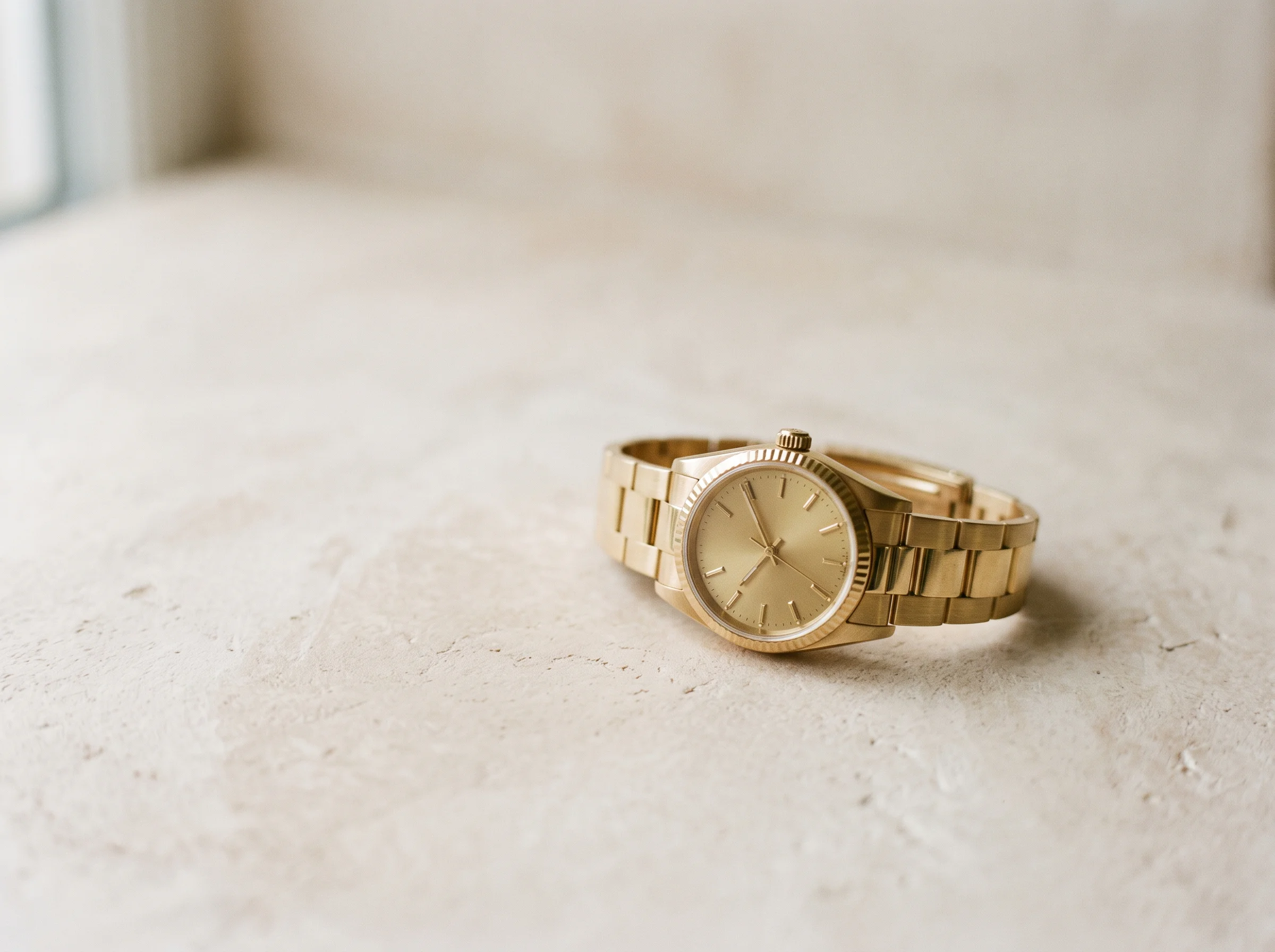 Gold prices pushed retail up, but the secondary market has not followed in lockstep, and some gold Rolex sells under list.
| Gold reference | New retail | Secondary (approx.) |
|---|---|---|
| Yellow gold Submariner Date | ~$50,900 | mid-$40,000s |
| Yellow gold GMT-Master II | ~$48,400 | ~$45,000 |
The gold lag is a buying window
Gold's secondary prices also lag retail by a couple of months as dealers reprice inventory, so there is a window after each hike where clean examples still sit near the old number. If you want a gold Rolex, that lag is your friend. Retail rising also gives those pieces room to catch up over time, or not, which is exactly why you check the gold market before you commit.
What still holds
The exception is the hyped steel handful. The steel Daytona, the steel GMT-Master II, and the newly discontinued Pepsi still trade well above retail, because their scarcity is real and demand has not softened. The 2026 market is two speeds: a thin band of steel sport watches that hold or climb, and a much wider field, gold, two-tone, and the less hyped steel, where supply now favors the buyer. The Pepsi's own post-show run is a good case study in what actually moved after Watches and Wonders.
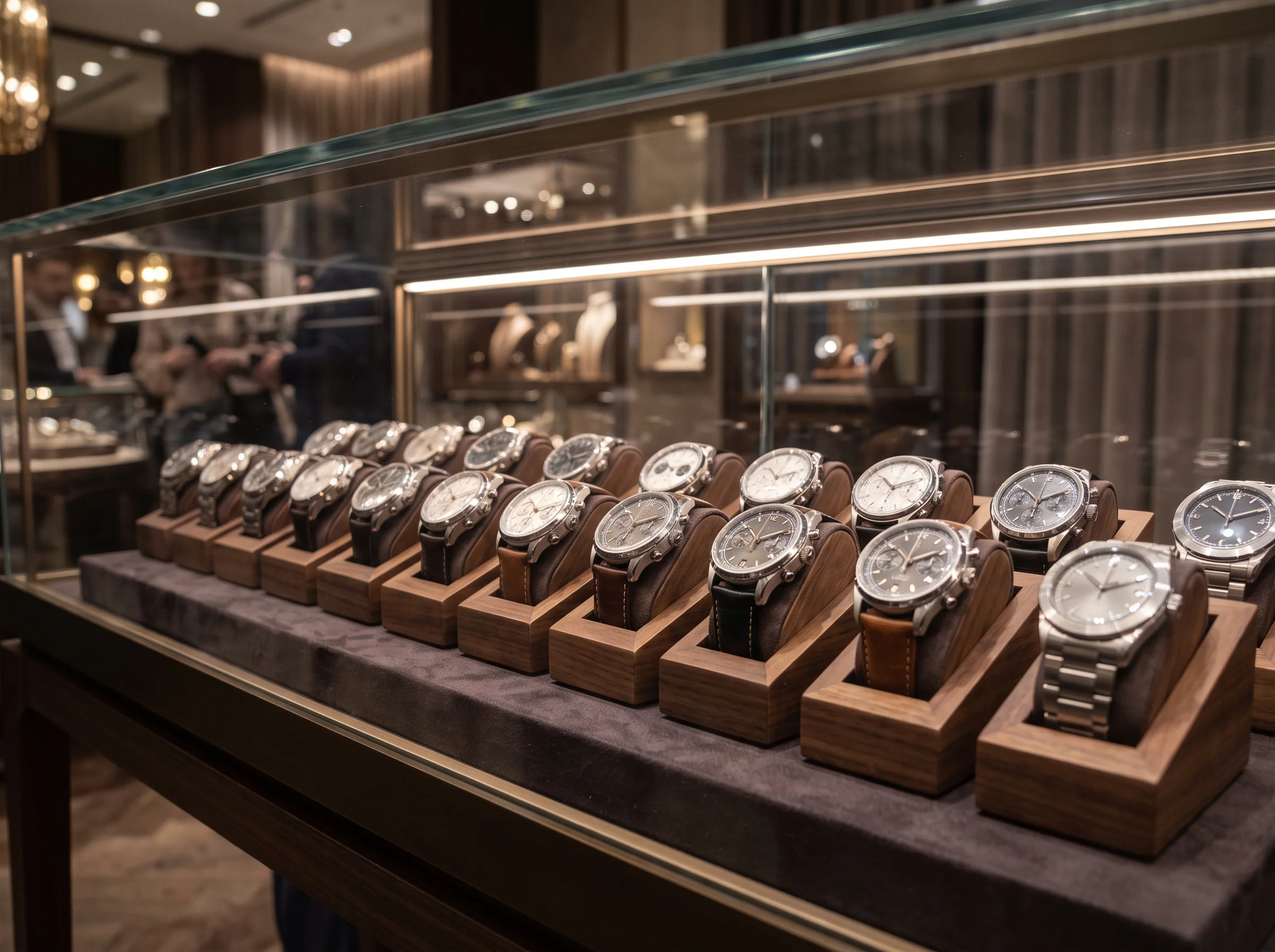 A thin band of steel sport references holds firm. Across most of the rest of the catalog, inventory now favors the buyer.
What it means if you are buying
Price the specific reference, not the brand. Survey five to ten live listings for the exact model and configuration you want, and treat those transacted numbers as the market, not whatever a seller quotes off the new MSRP. If a seller leans on the price increase without showing comparable examples, that is a signal to slow down.
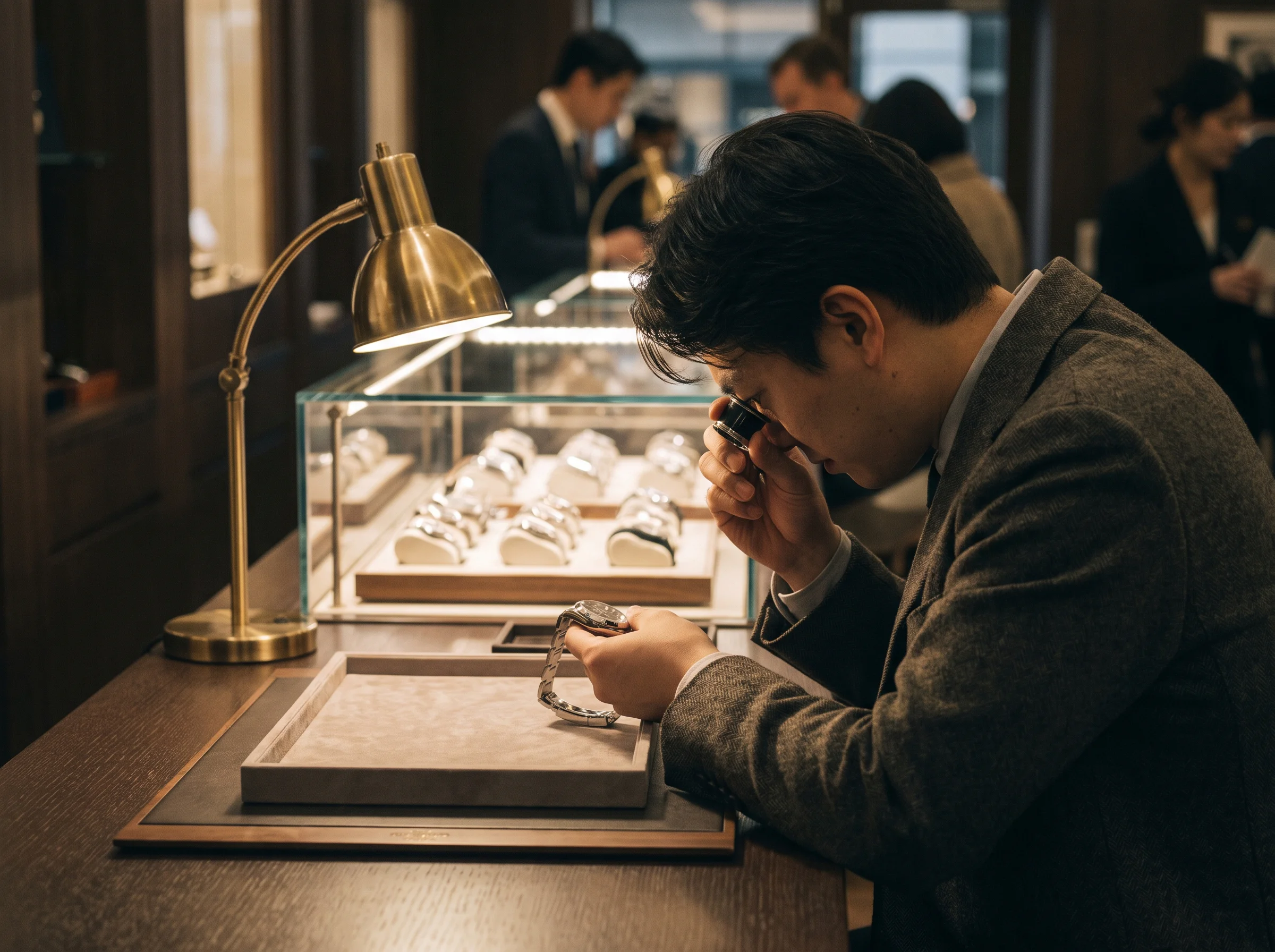 In a well-supplied market, patience and a reference-level price check are the buyer's two best tools.
There is also a quieter tell in the official channel. Morgan Stanley's data shows Rolex Certified Pre-Owned sales dipped slightly from the fourth quarter of 2025 into the first quarter of 2026, and the certified network barely grew, with a small number of large retailers holding roughly half of all certified inventory. A pre-owned engine that is not expanding aggressively into a rising-supply market is one more reason the leverage sits with buyers who do their homework. For the references outside the hype, this is one of the better moments in a while to buy well.
Browse authenticated pre-owned Rolex at 5dwatches.com.